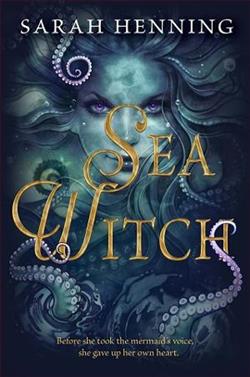
Sarah Henning's "Sea Witch" is a captivating reimagining of the classic tale of the Little Mermaid, offering a fresh perspective on the origins of one of literature's most enigmatic villains. This young adult fantasy novel delves into the backstory of the sea witch, a character often shrouded in mystery and malevolence, and presents a nuanced exploration of themes such as friendship, betrayal, and the transformative power of grief.
At the heart of "Sea Witch" is Evie, a young girl grappling with the loss of her best friend, Anna. The small fishing town of Havnestad views Evie with suspicion, labeling her a witch due to her magical abilities and the tragic circumstances surrounding Anna's death. Henning skillfully crafts Evie's character, portraying her as both resilient and vulnerable. Her journey is one of self-discovery, as she navigates the complexities of her identity and the societal expectations imposed upon her.
The novel's emotional core lies in the deep bond between Evie and Anna. Henning's portrayal of their friendship is both poignant and authentic, capturing the intensity of adolescent relationships. The arrival of a mysterious girl who bears an uncanny resemblance to Anna reignites Evie's hope and sets the stage for a tale filled with intrigue and suspense. This new character, who denies being Anna, adds layers of mystery and tension to the narrative, challenging Evie's understanding of loyalty and trust.
Henning's writing style is both lyrical and evocative, immersing readers in the atmospheric setting of Havnestad. The coastal town, with its rugged landscape and superstitious inhabitants, serves as a fitting backdrop for a story steeped in magic and folklore. The author's descriptive prose brings the ocean to life, its vastness and unpredictability mirroring the emotional turmoil experienced by the characters. This vivid imagery enhances the novel's immersive quality, drawing readers into a world where the line between reality and fantasy blurs.
The theme of transformation is central to "Sea Witch," as Evie's journey mirrors the metamorphosis of the sea witch herself. Henning explores the idea that monsters are not born but made, shaped by the choices and circumstances that define their lives. This theme is particularly resonant in the context of Evie's struggle to reconcile her magical abilities with the fear and prejudice they incite in others. Her evolution from a misunderstood outcast to a powerful figure is both compelling and heartbreaking, underscoring the novel's exploration of identity and self-acceptance.
In comparison to other works in the fantasy genre, "Sea Witch" stands out for its focus on character development and emotional depth. While it shares thematic similarities with novels like "Wicked" by Gregory Maguire, which also reimagines the backstory of a well-known villain, Henning's narrative is more intimate and character-driven. The emphasis on friendship and personal growth sets it apart from more traditional fantasy tales, offering a fresh take on familiar tropes.
The emotional impact of "Sea Witch" is profound, as Henning deftly weaves together elements of tragedy and hope. The novel's exploration of grief is particularly poignant, capturing the rawness of loss and the ways in which it can shape one's identity. Evie's determination to save her friend, even at great personal cost, speaks to the enduring power of love and the lengths we go to for those we care about. This emotional resonance is further amplified by the novel's exploration of betrayal, as Evie grapples with the painful realization that not everyone is as they seem.
Henning's ability to balance the fantastical elements of the story with its emotional core is a testament to her skill as a storyteller. The novel's pacing is well-executed, with moments of tension and suspense interspersed with quieter, introspective scenes that allow for character development. This balance ensures that readers remain engaged throughout, eager to uncover the secrets that lie beneath the surface of Havnestad's waters.
In conclusion, "Sea Witch" by Sarah Henning is a masterful blend of fantasy and emotion, offering a compelling reimagining of a classic tale. Its exploration of themes such as friendship, transformation, and the nature of evil is both thought-provoking and deeply moving. Henning's lyrical prose and richly drawn characters make this novel a standout in the young adult fantasy genre, appealing to readers who appreciate stories that challenge conventional narratives and delve into the complexities of the human experience. For those seeking a fresh perspective on the origins of the sea witch, "Sea Witch" is a must-read that will linger in the mind long after the final page is turned.



