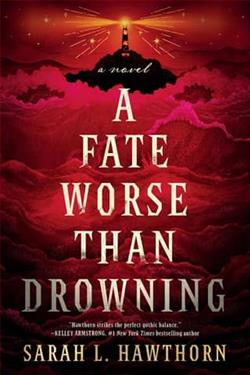
Sarah L. Hawthorn’s novel, A Fate Worse Than Drowning, offers a haunting exploration of sacrifice, morality, and the bonds of sisterhood, all set against the eerie backdrop of a remote lighthouse. This queer speculative fiction novel weaves a tale that is as much about the internal struggles of its protagonist as it is about the external forces that threaten to unravel her world. For readers who have been captivated by the atmospheric tension in works like A Dark and Drowning Tide and The Lighthouse Witches, Hawthorn’s latest offering promises a similarly gripping experience.
The central theme of A Fate Worse Than Drowning revolves around the moral complexities of a Faustian bargain. Elle, the lighthouse keeper, is a character driven by desperation and love for her sister, Liney. Her decision to make a deal with the devil to save Liney sets the stage for a narrative that probes the depths of human sacrifice. The novel deftly explores the question: How far would you go to protect the ones you love? Elle’s journey is a poignant reminder of the costs associated with such decisions, as each shipwreck orchestrated under her watch weighs heavily on her conscience.
Character development is one of the novel’s strongest suits. Elle is portrayed with a depth that makes her internal conflict palpable. Her role as both protector and destroyer creates a fascinating dichotomy, making her a compelling anti-heroine. As the story unfolds, readers witness her grappling with guilt and fear, emotions that are intricately tied to her love for Liney. Liney, on the other hand, is a beacon of innocence, unaware of the dark deeds that ensure her safety. The dynamic between the sisters is beautifully crafted, highlighting the strength and fragility of familial bonds.
The introduction of the shipwrecked survivor adds another layer of complexity to the narrative. This character serves as a catalyst for Elle’s moral reckoning, forcing her to confront the true cost of her actions. The tension between duty and desire, sacrifice and salvation, is expertly handled, keeping readers on edge as they ponder Elle’s ultimate choice. The relationship that develops between Liney and the survivor further complicates Elle’s predicament, adding emotional depth and urgency to the story.
Hawthorn’s writing style is both evocative and immersive, drawing readers into the desolate yet hauntingly beautiful setting of the lighthouse. Her prose is rich with imagery, capturing the relentless power of the sea and the isolation of the characters. The atmosphere she creates is reminiscent of gothic literature, where the setting itself becomes a character, influencing the mood and actions of those within it. This atmospheric tension is a hallmark of speculative fiction, and Hawthorn employs it masterfully to enhance the novel’s emotional impact.
The emotional resonance of A Fate Worse Than Drowning is profound. Hawthorn’s exploration of themes such as guilt, redemption, and the nature of evil invites readers to reflect on their own moral boundaries. The novel’s pacing is deliberate, allowing for a slow build-up of tension that culminates in a series of heart-wrenching decisions. This pacing, combined with the novel’s thematic depth, ensures that readers remain engaged and invested in Elle’s fate.
Comparisons to other works in the genre are inevitable, yet Hawthorn’s novel stands out for its unique blend of speculative elements and emotional storytelling. Fans of Neil Gaiman’s The Ocean at the End of the Lane or Shirley Jackson’s The Haunting of Hill House will find similar themes of psychological suspense and moral ambiguity. However, Hawthorn’s focus on queer representation and the intricacies of sisterhood adds a fresh perspective to the genre.
In conclusion, A Fate Worse Than Drowning by Sarah L. Hawthorn is a captivating addition to the realm of queer speculative fiction. Its exploration of complex themes, coupled with strong character development and an evocative writing style, makes it a must-read for fans of atmospheric and thought-provoking narratives. The novel’s ability to blend the supernatural with the deeply personal ensures that it will resonate with readers long after the final page is turned. For those seeking a story that challenges the boundaries of love and morality, Hawthorn’s latest work offers a compelling and unforgettable journey.



