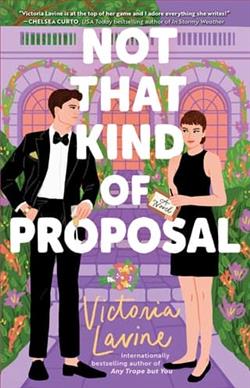
Victoria Lavine's Not That Kind of Proposal is a delightful addition to the ever-popular enemies-to-lovers rom-com genre, blending humor, heart, and a touch of poignancy. The novel centers around Gracie Holland, a wedding planner with a penchant for creating perfect love stories for others, and Jude Larkwood, a divorce lawyer whose professional cynicism is as polished as his wingtips. Their unlikely partnership forms the crux of this engaging narrative, set against the charming backdrop of the Larkwood estate in Rhode Island.
One of the major themes of the book is the clash between idealism and realism. Gracie embodies the former, with her belief in happily-ever-afters and her dedication to preserving the romantic legacy of Larkwood. In contrast, Jude represents the latter, viewing love through the lens of his career, which often involves untangling the messes left behind by failed marriages. This thematic tension is skillfully woven into their interactions, creating a dynamic that is both entertaining and thought-provoking.
The character development in Not That Kind of Proposal is particularly noteworthy. Lavine crafts Gracie as a relatable protagonist whose optimism is both her strength and her vulnerability. Her journey from heartbreak to self-discovery is portrayed with sensitivity, making her a character readers can root for. Jude, on the other hand, is initially portrayed as the archetypal cynic, but Lavine gradually peels back layers to reveal a man grappling with his own emotional scars and familial obligations. Their evolving relationship is marked by witty banter and genuine moments of connection, reminiscent of the chemistry found in works by authors like Sally Thorne and Christina Lauren.
Lavine's writing style is a blend of humor and warmth, with a keen eye for detail that brings the setting and characters to life. The Larkwood estate, with its ivy-covered walls and picturesque surroundings, serves as more than just a backdrop; it is a character in its own right, symbolizing the legacy of love and the passage of time. The author's ability to balance light-hearted moments with deeper emotional beats is commendable, ensuring that the story resonates on multiple levels.
Emotionally, Not That Kind of Proposal strikes a chord by exploring themes of loss, legacy, and the courage to embrace love despite past disappointments. Gracie's determination to save Larkwood is not just about preserving a venue; it is about honoring the memory of those who believed in love's enduring power. Jude's internal conflict, meanwhile, adds a layer of complexity to the narrative, as he grapples with the tension between duty and desire. Their journey towards understanding and acceptance is both heartwarming and satisfying, culminating in a resolution that feels earned and authentic.
In comparison to other works in the genre, Lavine's novel stands out for its nuanced portrayal of its protagonists and the depth of its emotional landscape. While it shares the comedic elements and romantic tension found in books like The Hating Game by Sally Thorne, it also delves into more introspective territory, exploring the impact of personal history on one's ability to love and be loved. This balance of humor and heart makes Not That Kind of Proposal a compelling read for fans of contemporary romance.
Ultimately, Victoria Lavine's Not That Kind of Proposal is a testament to the enduring appeal of the enemies-to-lovers trope, executed with charm and insight. It is a story that invites readers to believe in the transformative power of love, even when it seems most improbable. For those seeking a romantic comedy that offers both laughter and depth, this novel is a must-read, promising an engaging journey through the complexities of love, legacy, and the courage to embrace one's own happily-ever-after.



