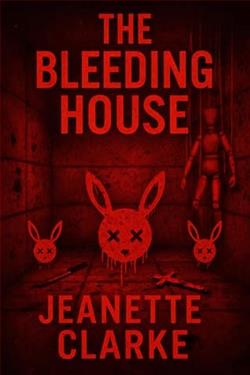
Jeanette Clarke's "The Bleeding House" is an enthralling exploration of the human psyche, wrapped in a suspenseful narrative that keeps readers on the edge of their seats. This novella, set between "The Conditioning Room" and "The Hunting Grounds," delves into themes of devotion, obsession, and the transformation of a broken individual into a weapon of survival. Clarke's writing style is both haunting and lyrical, drawing readers into the fragmented world of her protagonist, Bunny, whose journey is as much about self-discovery as it is about vengeance.
The central theme of "The Bleeding House" is the thin line between love and obsession. Bunny's relationship with Gabriel Mire, her "Daddy," is complex and disturbing. Clarke skillfully portrays how Bunny's devotion to Gabriel has been twisted into a destructive force. This theme is reminiscent of works by Gillian Flynn, where characters are often driven by dark, obsessive desires. Bunny's conditioning through a lullaby is a chilling reminder of how love can be manipulated into control, a concept that Clarke explores with both subtlety and intensity.
Character development is a standout element in Clarke's novella. Bunny is a deeply flawed yet compelling protagonist. Her memory lapses and fragmented recollections create a sense of unreliability that adds to the story's tension. Clarke masterfully crafts Bunny's internal conflict, as she struggles to reconcile her violent actions with her quest for identity and purpose. The other characters, such as Matt and Nathan Cross, serve as mirrors reflecting different aspects of Bunny's fractured psyche. Matt's unexpected kindness offers a glimpse of hope and normalcy, while Nathan's mysterious presence heightens the suspense and intrigue.
Clarke's writing style is both evocative and immersive. Her prose is rich with imagery, painting vivid pictures of Bunny's disorienting world. The use of sensory details, particularly the recurring motif of blood, underscores the novella's dark and unsettling atmosphere. Clarke's ability to weave a narrative that is both poetic and gritty is reminiscent of authors like Dennis Lehane, who excel in creating atmospheric thrillers with psychological depth.
The emotional impact of "The Bleeding House" is profound. Clarke delves into the trauma and psychological scars that shape Bunny's actions and decisions. The novella is a poignant exploration of the human capacity for resilience and the desperate need for connection. Bunny's journey is not just about finding Gabriel but also about finding herself amidst the chaos of her mind. Clarke's portrayal of Bunny's vulnerability and strength is both heart-wrenching and inspiring, leaving readers with a lingering sense of empathy and reflection.
In terms of genre, "The Bleeding House" fits seamlessly into the psychological thriller category, with elements of noir and suspense. Clarke's ability to maintain a taut, suspenseful narrative while delving into complex psychological themes sets her apart in the genre. The novella's pacing is brisk, yet Clarke allows moments of introspection that add depth to the story. This balance between action and reflection is reminiscent of works by Tana French, where the psychological intricacies of the characters are as compelling as the plot itself.
Overall, Jeanette Clarke's "The Bleeding House" is a captivating and thought-provoking novella that will appeal to fans of psychological thrillers and character-driven narratives. Clarke's exploration of devotion, obsession, and identity is both unsettling and enlightening, offering readers a glimpse into the darker corners of the human mind. With its richly drawn characters, evocative prose, and emotional depth, "The Bleeding House" is a testament to Clarke's skill as a storyteller and her ability to craft a narrative that resonates long after the final page is turned.



