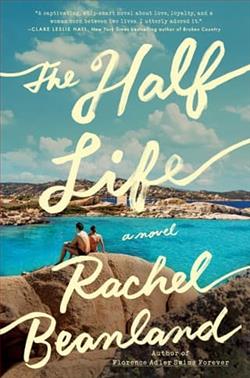
Rachel Beanland's novel, The Half Life, is a compelling exploration of personal awakening set against the backdrop of geopolitical tension. Known for her previous works, Florence Adler Swims Forever and The House Is on Fire, Beanland delves into the complexities of love, power, and silence in the Atomic Age, crafting a narrative that resonates with both historical significance and emotional depth.
The story centers around Eileen O’Malley, a young navy wife who finds herself on the sun-drenched island of La Maddalena, Italy. Her journey begins with a whirlwind romance with Paul Archer, a charismatic naval officer. Beanland skillfully captures the intoxicating allure of young love, drawing readers into Eileen's rapid transition from a department store encounter to life as a military spouse. The Mediterranean setting is vividly rendered, offering a picturesque yet politically charged backdrop that enhances the novel's tension.
One of the most striking themes in The Half Life is the exploration of identity and belonging. Eileen's struggle to reconcile her American roots with her new life abroad is portrayed with nuance and sensitivity. Beanland uses Eileen's experiences to examine the broader implications of American exceptionalism and the personal cost of national loyalty. As Eileen immerses herself in the local culture, learning Italian and embracing the island's culinary traditions, she begins to question the values she once held dear. This internal conflict is mirrored in the external political unrest, as Italian activists protest the presence of nuclear submarines, highlighting the tension between personal and political allegiances.
Character development is a strong suit of Beanland's writing. Eileen is a fully realized protagonist whose growth is both believable and compelling. Her initial naivety gradually gives way to a more complex understanding of the world, driven by her interactions with the local community and a burgeoning friendship with a local journalist. This relationship serves as a catalyst for Eileen's transformation, forcing her to confront uncomfortable truths about her marriage and her role in the broader geopolitical landscape. Beanland's portrayal of Eileen's evolving consciousness is both subtle and profound, making her journey relatable and engaging.
Paul Archer, Eileen's husband, is depicted with equal complexity. His ambition and dedication to his naval career are juxtaposed with the personal sacrifices he demands of Eileen. Beanland does not shy away from exploring the darker aspects of their relationship, including the strain of military life and the moral ambiguities of his work. This nuanced portrayal adds depth to the narrative, inviting readers to consider the personal cost of professional success.
The writing style in The Half Life is both atmospheric and evocative. Beanland's prose is rich with detail, bringing the island of La Maddalena to life with its vibrant landscapes and cultural intricacies. Her ability to weave historical context into the narrative without overwhelming the reader is commendable, creating a seamless blend of fiction and reality. The novel's pacing is deliberate, allowing for a gradual build-up of tension that mirrors Eileen's internal journey.
Emotionally, The Half Life is a powerful exploration of love and complicity. Beanland captures the quiet defiance of a woman who begins to question the life she has been handed, offering a poignant commentary on the choices women make in the face of societal expectations. The novel's emotional impact is heightened by its exploration of grief and loss, as Eileen grapples with the death of her brother in Vietnam and the implications of her own silence.
In comparison to other works in the historical fiction genre, The Half Life stands out for its focus on the personal ramifications of political decisions. Readers who appreciate the intricate character studies found in novels like The Nightingale by Kristin Hannah or The Light Between Oceans by M.L. Stedman will find a similar depth in Beanland's work. Her ability to balance intimate storytelling with broader historical themes is reminiscent of these authors, making The Half Life a rewarding read for fans of the genre.
Ultimately, Rachel Beanland's The Half Life is a thought-provoking novel that challenges readers to consider the intersections of love, loyalty, and identity. Through Eileen O’Malley's journey, Beanland offers a poignant exploration of the personal and political, inviting readers to reflect on the choices that define us. With its rich character development, evocative setting, and timely themes, The Half Life is a testament to Beanland's skill as a storyteller and a valuable addition to the landscape of historical fiction.



