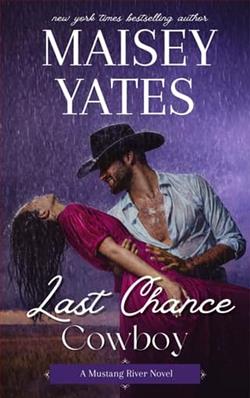
Maisey Yates’ novel, Last Chance Cowboy, invites readers into the enchanting world of Mustang River, a setting that feels both familiar and refreshingly new. This contemporary romance novel weaves together themes of solitude, self-discovery, and the transformative power of love, all set against the backdrop of a rugged wilderness that is as much a character as the people who inhabit it.
The story centers around Zane Barton, a wilderness survival expert who values his solitude and the peace it brings. His character is reminiscent of the classic lone cowboy archetype, yet Yates infuses him with a depth that makes him stand out. Zane’s reluctance to engage with the influx of tourists in Mustang River is not just a plot device but a reflection of his internal struggle with vulnerability and connection. His journey is one of learning to open up, a theme that resonates deeply with anyone who has ever grappled with the fear of intimacy.
Enter Cara Logan, a baker whose warmth and determination are as inviting as the baked goods she brings to Zane’s doorstep. Cara is a delightful contrast to Zane’s brooding nature. Her character is imbued with a sense of optimism and resilience, qualities that make her an endearing and relatable protagonist. As she navigates her own insecurities and ambitions, Cara’s growth is portrayed with a subtlety that underscores Yates’ skillful character development.
The chemistry between Zane and Cara is palpable from their first encounter. Yates crafts their interactions with a blend of humor and tension, creating a dynamic that keeps readers engaged. The evolution of their relationship is marked by a series of challenges and revelations, each one peeling back layers of their defenses. This gradual unveiling is mirrored in the physical and emotional intimacy they share, making their journey both believable and compelling.
Yates’ writing style in Last Chance Cowboy is both evocative and accessible. Her descriptions of the Mustang River landscape are vivid, painting a picture of a place that is simultaneously harsh and beautiful. This setting serves as a perfect metaphor for the characters’ emotional landscapes, where beauty is often found in the most unexpected places. The dialogue is sharp and authentic, capturing the nuances of human interaction with a keen ear for rhythm and tone.
Emotionally, the novel strikes a delicate balance between lightheartedness and depth. While there are moments of humor and levity, Yates does not shy away from exploring the more profound aspects of her characters’ journeys. Themes of trust, healing, and acceptance are woven throughout the narrative, offering readers a chance to reflect on their own experiences and relationships. The emotional impact of the story is enhanced by Yates’ ability to create characters who feel real and relatable, each with their own flaws and strengths.
In comparison to other works in the contemporary romance genre, Last Chance Cowboy stands out for its nuanced portrayal of personal growth and the complexities of human connection. Fans of authors like Nora Roberts and Susan Mallery will find much to appreciate in Yates’ ability to blend romance with deeper thematic elements. The novel’s exploration of wilderness survival as a metaphor for emotional resilience adds a unique layer to the narrative, setting it apart from more conventional romance stories.
Overall, Last Chance Cowboy by Maisey Yates is a captivating read that offers more than just a love story. It is a journey of self-discovery and transformation, set against a backdrop that is as wild and unpredictable as the human heart. Yates’ mastery of character development and her insightful exploration of themes make this novel a standout in the contemporary romance genre. Whether you are a long-time fan of Yates or new to her work, this book promises a rewarding and emotionally resonant experience.



