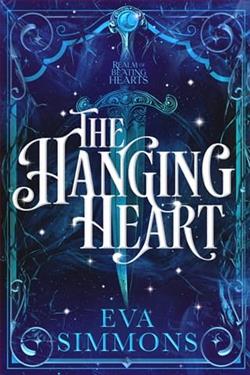
Eva Simmons' novel, The Hanging Heart, is an enchanting foray into the realm of fantasy, weaving together themes of power, choice, and identity. Set against the backdrop of the magic-void prison island of Alyssium, Simmons crafts a world where the boundaries between life and death blur, and the stakes are nothing short of the survival of magic itself. The protagonist, Elorie, is a compelling figure whose journey from obscurity to the center of a kingdom's fate is both thrilling and poignant.
At the heart of The Hanging Heart is the theme of power and its dual nature as both a gift and a burden. Elorie's ability to resurrect the dead, particularly the formidable Fae warrior Wilder, positions her as a pivotal character in the struggle between rival crowns. Simmons deftly explores how power can be both alluring and dangerous, a tool for healing or destruction. This duality is mirrored in Elorie's internal conflict and the external chaos that ensues from her actions.
Character development is a strong suit in Simmons' narrative. Elorie's evolution from a caretaker of the dead to a key player in a political and magical upheaval is handled with nuance and depth. Her initial innocence and naivety gradually give way to a more complex understanding of her role and the potential consequences of her choices. Wilder, the resurrected Fae warrior, serves as both a catalyst and a foil to Elorie. His motivations are rooted in revenge and a desire to reclaim his rightful place, yet his interactions with Elorie reveal layers of vulnerability and a capacity for change.
The dynamic between Elorie and Wilder is central to the novel's emotional impact. Their relationship is fraught with tension, as it oscillates between mutual fascination and conflicting loyalties. Simmons captures the complexity of their bond, highlighting how trust and betrayal can coexist in a world where alliances are as fragile as the magic that binds them. This intricate dance between the two characters adds a layer of emotional depth that resonates throughout the narrative.
Simmons' writing style is both lyrical and immersive, drawing readers into the richly imagined world of the Ley Court and its surrounding realms. Her prose is evocative, painting vivid images of the desolate prison island and the opulent yet decaying kingdom. The author's attention to detail enhances the world-building, making the setting feel both fantastical and grounded. Comparisons can be drawn to the works of Sarah J. Maas and Leigh Bardugo, where intricate plots and strong character arcs are interwoven with lush descriptions and a keen sense of atmosphere.
The emotional impact of The Hanging Heart is profound, as Simmons delves into themes of identity and belonging. Elorie's journey is not just about mastering her power but also about understanding her place in a world that has always defined her by her limitations. Her struggle to reconcile her past with her newfound significance is relatable and compelling, inviting readers to reflect on their own experiences of self-discovery and empowerment.
Furthermore, the novel's exploration of choice and autonomy is particularly resonant. Elorie's ability to choose how to wield her power becomes a metaphor for personal agency, challenging the notion that destiny is predetermined. Simmons underscores the importance of choice in shaping one's path, a theme that is both timeless and timely in its relevance.
In conclusion, The Hanging Heart by Eva Simmons is a captivating addition to the fantasy genre, offering a fresh take on familiar tropes while delivering a story that is both engaging and thought-provoking. Its blend of magic, romance, and political intrigue ensures that it will appeal to fans of epic fantasy and character-driven narratives alike. Simmons' ability to balance intricate world-building with emotional storytelling makes this novel a standout, promising a satisfying experience for readers who seek both adventure and introspection in their literary journeys.



