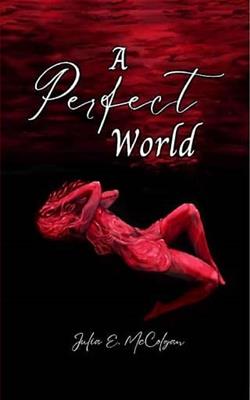
Julia McColgan's novel, A Perfect World, is a gripping exploration of the intersection between reality and imagination, set against the backdrop of a suspenseful narrative. This book delves into the complexities of human perception and the haunting nature of past traumas, all while maintaining a compelling pace that keeps readers on the edge of their seats. As a work of speculative fiction with elements of psychological thriller, McColgan crafts a story that is as much about self-discovery as it is about the external threats faced by the protagonists.
At the heart of A Perfect World are its two main characters, Courtney and Ollie, whose lives intertwine in unexpected ways. Courtney is a young woman plagued by vivid visions, a condition that has isolated her from those around her. Her journey is one of self-validation and empowerment, as she learns to trust her own experiences despite the skepticism of others. This theme of self-belief is central to the novel, resonating with anyone who has ever felt misunderstood or doubted.
Ollie, on the other hand, is a character tormented by his past. His demons are not just metaphorical but manifest in the form of traumatic flashbacks and paranoia. McColgan paints a vivid picture of Ollie's internal struggle, making his pain palpable to the reader. His coping mechanisms, primarily through substance abuse, add layers to his character, making him both tragic and relatable. The dynamic between Courtney and Ollie is electric, filled with tension and mutual suspicion, yet there is an undeniable connection that draws them together.
The theme of trust is intricately woven throughout the narrative. As Courtney and Ollie navigate their relationship, they must decide whether to trust each other, a decision complicated by Ollie's suspicion that Courtney might be an informant. This element of mistrust adds a layer of intrigue and suspense, reminiscent of works by authors like Gillian Flynn, where the line between friend and foe is often blurred.
McColgan's writing style is both engaging and evocative. Her use of descriptive language brings the characters' inner worlds to life, allowing readers to experience their emotions firsthand. The pacing of the novel is expertly managed, with tension building steadily as the plot unfolds. McColgan balances moments of introspection with action, ensuring that the narrative never loses momentum.
Emotionally, A Perfect World is a rollercoaster. McColgan does not shy away from exploring the darker aspects of her characters' psyches, and this unflinching approach lends the novel a raw, authentic feel. Readers are invited to empathize with Courtney and Ollie's struggles, making their triumphs and setbacks all the more impactful. The emotional depth of the novel is comparable to works by authors like Neil Gaiman, who similarly blend fantastical elements with profound human truths.
One of the most compelling aspects of A Perfect World is its exploration of the concept of reality. Courtney's visions challenge the notion of what is real, prompting readers to question the reliability of perception. This theme is handled with nuance and sophistication, encouraging a deeper reflection on the nature of reality itself. McColgan's ability to weave this philosophical inquiry into a narrative that is both thrilling and accessible is a testament to her skill as a storyteller.
In conclusion, Julia McColgan's A Perfect World is a masterful blend of speculative fiction and psychological thriller, offering a rich tapestry of themes and emotions. Its exploration of trust, reality, and self-belief is both thought-provoking and engaging, making it a must-read for fans of the genre. With well-developed characters and a gripping plot, McColgan has crafted a novel that is sure to resonate with readers long after the final page is turned. Whether you're drawn to the suspenseful narrative or the deeper philosophical questions it poses, A Perfect World is a book that promises to captivate and challenge in equal measure.



