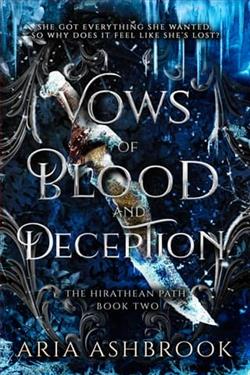
Aria Ashbrook's "Vows of Blood and Deception" is a captivating foray into the fantasy genre, weaving a tale that is as intricate as it is enthralling. At its heart, the novel explores the complexities of power, identity, and the often blurred lines between love and ambition. Through the journey of Rose Kultavaris, Ashbrook crafts a narrative that is both a personal odyssey and a broader commentary on the nature of freedom and the burdens of choice.
From the outset, Rose is a character who commands attention. Having survived the harrowing trials of the Retterheld, she emerges not only with her magic and title restored but also with a profound sense of disillusionment. This duality of triumph and emptiness is a recurring theme throughout the book, as Rose grapples with the realization that victory can sometimes feel like loss. Her internal struggle is mirrored in the external chaos of the court, where alliances are as fragile as they are strategic.
Character development is one of Ashbrook's strengths, and Rose is a testament to this. She is a protagonist who is deeply flawed yet intensely relatable. Her journey is not just about reclaiming power but also about understanding what that power means in a world where trust is a rare commodity. The tension between Rose and Prince Kyor adds a layer of complexity to the narrative. Their dynamic is reminiscent of the intricate relationships found in works by authors like Sarah J. Maas, where love and duty often collide with explosive results.
In "Vows of Blood and Deception", the court of Wrohelm is a character in itself, a labyrinth of secrets and ambitions. Ashbrook's world-building is meticulous, painting a vivid picture of a society where appearances are deceiving and the past is never truly buried. The palace, with its gilded halls and hidden agendas, serves as the perfect backdrop for Rose's quest for truth. As she ventures beyond the city walls, the narrative expands, revealing a world that is as dangerous as it is beautiful.
The writing style in this novel is both lyrical and precise, a balance that Ashbrook maintains with skill. Her prose captures the emotional depth of her characters while also driving the plot forward with a sense of urgency. The dialogue is sharp, often revealing more in what is left unsaid than in the words themselves. This subtlety is a hallmark of Ashbrook's storytelling, inviting readers to delve deeper into the motivations and desires of her characters.
Emotionally, "Vows of Blood and Deception" is a rollercoaster. Ashbrook does not shy away from exploring the darker aspects of her characters' journeys. Betrayal, loss, and the quest for identity are themes that resonate throughout the novel, each one adding a layer of complexity to Rose's story. The emotional impact is profound, leaving readers to ponder the true cost of power and the sacrifices one must make in its pursuit.
Comparatively, Ashbrook's work can be seen alongside other fantasy epics that explore similar themes of power and identity. Fans of Leigh Bardugo's "Grishaverse" or Naomi Novik's "Scholomance" series will find much to appreciate in Ashbrook's nuanced approach to storytelling. Her ability to blend personal growth with larger societal issues is a testament to her skill as a writer.
Ultimately, "Vows of Blood and Deception" is a compelling addition to the fantasy genre. Aria Ashbrook has crafted a narrative that is as thought-provoking as it is entertaining, inviting readers to question what they truly desire: vengeance, love, or the elusive promise of freedom. For those who enjoy stories that challenge the status quo and delve into the intricacies of the human heart, this novel is a must-read.



