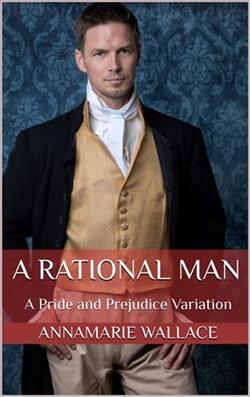
AnnaMarie Wallace's novel, A Rational Man, offers a delightful reimagining of the classic character Mr. Darcy, set against the familiar backdrop of Regency-era England. This engaging tale combines elements of romance, mistaken identity, and personal growth, making it a compelling read for fans of historical fiction and Jane Austen's works.
At the heart of A Rational Man is the exploration of the tension between reason and emotion, a theme that resonates deeply throughout the narrative. Mr. Darcy, a character renowned for his stoic rationality, finds himself in an unexpected predicament when he is mistaken for Mr. Bingley's man of business. This case of mistaken identity allows him to step away from societal expectations and experience life from a different perspective. Wallace cleverly uses this scenario to delve into the complexities of identity and the societal pressures that shape our decisions.
Character development is one of the novel's strongest aspects. Mr. Darcy's journey from a man governed by logic to one who grapples with the irrational nature of love is both believable and satisfying. Wallace skillfully captures his internal conflict as he navigates his unexpected attraction to Elizabeth Bennet. The transformation of Mr. Darcy is gradual and nuanced, allowing readers to empathize with his struggle to reconcile his rational mind with his burgeoning emotions.
Elizabeth Bennet, a beloved character from Austen's Pride and Prejudice, is portrayed with the same wit and intelligence that has endeared her to readers for generations. Her interactions with Mr. Darcy are filled with the familiar spark and tension, yet Wallace adds a fresh layer to their dynamic by placing Darcy in a position where he must confront his preconceived notions about class and marriage. This adds depth to their relationship and provides a fresh take on their iconic romance.
The writing style in A Rational Man is both elegant and accessible, capturing the essence of the Regency period while remaining engaging for contemporary readers. Wallace's prose is reminiscent of Austen's, with its keen observations of societal norms and character interactions. The dialogue is sharp and often laced with humor, providing a delightful contrast to the more serious themes of the novel.
Emotionally, the novel strikes a fine balance between lighthearted moments and deeper introspection. The initial humor of Mr. Darcy's predicament gives way to more profound reflections on love, duty, and personal growth. Wallace effectively uses Mr. Darcy's interactions with Mr. Bennet, another bibliophile, to explore themes of friendship and intellectual companionship. These moments add richness to the narrative and highlight the importance of human connection beyond romantic relationships.
In comparing A Rational Man to other works in the genre, it stands out for its unique approach to a well-known story. While many adaptations and retellings of Pride and Prejudice focus on reimagining the romance between Elizabeth and Darcy, Wallace's novel delves deeper into Mr. Darcy's psyche, offering readers a fresh perspective on his character. This focus on character development and internal conflict aligns it with works like Jo Baker's Longbourn, which also provides an alternative view of Austen's world.
Overall, A Rational Man by AnnaMarie Wallace is a captivating addition to the world of historical romance and Austen-inspired literature. Its exploration of reason versus emotion, coupled with well-drawn characters and a charming narrative, makes it a must-read for fans of the genre. Wallace's ability to breathe new life into familiar characters while maintaining the spirit of the original work is commendable, ensuring that this novel will resonate with both new readers and long-time Austen enthusiasts.



