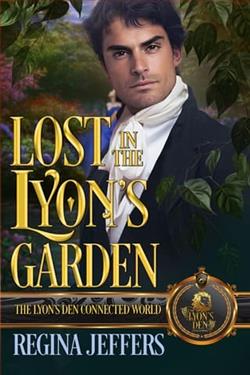
Regina Jeffers' novel, Lost in the Lyon's Garden, is a captivating blend of romance and mystery set against the backdrop of Regency-era London. This historical romance novel weaves a tale of love, danger, and familial duty, drawing readers into a world where societal norms and personal desires often collide. Jeffers, known for her adept storytelling and rich characterizations, does not disappoint in this latest offering.
At the heart of the story is the unexpected meeting between Lord Benjamin Thompson and Miss Victoria Whitchurch. Their chance encounter under an umbrella on a rainy London day sets the stage for a narrative filled with intrigue and emotional depth. The novel's central theme revolves around the idea of fate and how seemingly random events can alter the course of one's life. This theme is skillfully explored through the protagonists' journey as they navigate personal and familial challenges.
Lord Benjamin Thompson is a compelling character who embodies the qualities of reason and analysis. Unlike his action-oriented brothers, Thompson is a man of intellect and humanity, which adds a refreshing dimension to his character. His quest to uncover the truth behind his father's shooting is not just a personal vendetta but also a journey of self-discovery. Jeffers crafts Thompson with a nuanced complexity, making him relatable and engaging to readers who appreciate a hero with depth.
Miss Victoria Whitchurch, on the other hand, is a determined and resilient heroine. Her mission to find her missing sister while caring for her nephew showcases her strength and vulnerability. Victoria's character development is one of the novel's highlights, as she evolves from a sheltered seamstress to a woman of courage and resolve. Her interactions with Thompson are charged with tension and chemistry, adding a romantic layer to the narrative that is both believable and heartwarming.
The writing style in Lost in the Lyon's Garden is elegant and evocative, capturing the essence of the Regency period with vivid descriptions and authentic dialogue. Jeffers' attention to historical detail enhances the story's authenticity, immersing readers in the sights and sounds of 19th-century London. The pacing is well-balanced, with moments of suspense interspersed with tender romantic interludes, keeping readers engaged throughout.
Emotionally, the novel resonates on multiple levels. The themes of love, loyalty, and justice are intricately woven into the plot, creating an emotional tapestry that is both poignant and satisfying. Jeffers excels in portraying the internal struggles of her characters, allowing readers to connect with their fears, hopes, and desires. The emotional impact of the story is further amplified by the high stakes involved, as a vengeful killer threatens the safety of both Thompson's and Victoria's families.
Comparatively, Lost in the Lyon's Garden shares thematic similarities with the works of Julia Quinn and Mary Balogh, both of whom are renowned for their ability to blend romance with historical intrigue. Jeffers' novel, however, stands out with its unique focus on the intersection of personal and political mysteries, offering a fresh perspective within the genre.
In conclusion, Regina Jeffers' Lost in the Lyon's Garden is a masterful addition to the historical romance genre. The novel's rich character development, engaging plot, and emotional depth make it a must-read for fans of Regency-era fiction. Jeffers' ability to craft a story that is both intellectually stimulating and emotionally fulfilling is a testament to her skill as a writer. Readers seeking a novel that combines the allure of romance with the thrill of mystery will find themselves thoroughly enchanted by this tale of love and destiny.



