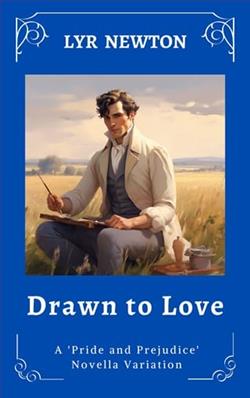
Lyr Newton's novella, Drawn to Love, offers a fresh yet familiar take on the timeless romance between Elizabeth Bennet and Fitzwilliam Darcy. Set against the backdrop of Regency England, this novella delves into the emotional intricacies of love, pride, and redemption, all while maintaining the charm and wit that fans of Jane Austen's Pride and Prejudice have come to adore. At approximately 27,000 words, Newton crafts a compact yet impactful narrative that explores the depths of human emotion and the transformative power of art.
One of the most compelling aspects of Drawn to Love is its exploration of character development. Newton delves deeper into Darcy's character, revealing facets of his personality that are only hinted at in Austen's original work. While Darcy is universally acknowledged as proud and aloof, Newton introduces readers to his hidden talents and passions, particularly his inclination for the arts. This portrayal adds layers to his character, making him more relatable and endearing. His struggle with his feelings for Elizabeth and his artistic endeavors serve as a metaphor for his internal conflict, providing a nuanced perspective on his journey towards self-awareness and growth.
Elizabeth Bennet, on the other hand, is portrayed with a blend of strength and vulnerability. Her initial rejection of Darcy's proposal is a pivotal moment that sets the stage for her own introspection. Newton captures Elizabeth's turmoil and regret with sensitivity, allowing readers to empathize with her as she grapples with the consequences of her actions. Her journey is one of self-discovery, as she learns to reconcile her prejudices with the reality of Darcy's character. This evolution is beautifully mirrored in her interactions with Darcy, where their shared experiences and mutual respect pave the way for a deeper understanding and eventual reconciliation.
The themes of love, pride, and redemption are intricately woven into the narrative. Newton skillfully balances these themes, creating a story that is both emotionally resonant and intellectually engaging. The novella explores the idea that true love requires vulnerability and the courage to confront one's own flaws. Both Elizabeth and Darcy must overcome their pride and preconceived notions to find happiness together. This theme is timeless and universal, resonating with readers who appreciate stories of personal growth and transformation.
Newton's writing style is elegant and evocative, capturing the essence of the Regency era while infusing the narrative with a modern sensibility. Her prose is both lyrical and precise, painting vivid pictures of the English countryside and the grandeur of Pemberley. The dialogue is sharp and witty, reminiscent of Austen's own style, yet infused with Newton's unique voice. This blend of classic and contemporary elements makes Drawn to Love a delightful read for both Austen purists and newcomers to the genre.
The novella's emotional impact is profound, as Newton deftly navigates the complexities of human emotion. The tension between Elizabeth and Darcy is palpable, their interactions charged with a mix of longing and uncertainty. The moment when Elizabeth encounters Darcy at Pemberley, surrounded by his sketches, is particularly poignant. This scene serves as a turning point in their relationship, where art becomes a conduit for communication and understanding. Newton captures the intensity of their emotions with grace, leaving readers with a sense of hope and fulfillment.
In comparison to other works in the romance genre, Drawn to Love stands out for its depth of character and emotional authenticity. While it shares thematic similarities with other Austen-inspired novels, Newton's focus on the artistic talents of Darcy adds a unique twist that sets it apart. This exploration of art as a means of expression and connection is reminiscent of works by authors like Jojo Moyes and Nicholas Sparks, who also delve into the transformative power of creativity and love.
Overall, Drawn to Love by Lyr Newton is a captivating novella that offers a fresh perspective on a beloved classic. Its exploration of character development, themes of love and redemption, and elegant writing style make it a must-read for fans of romance and historical fiction. Newton's ability to evoke emotion and create a compelling narrative ensures that this story will resonate with readers long after the final page is turned. Whether you're a devoted admirer of Jane Austen or simply looking for a beautifully crafted love story, Drawn to Love promises to be a rewarding and enriching experience.



