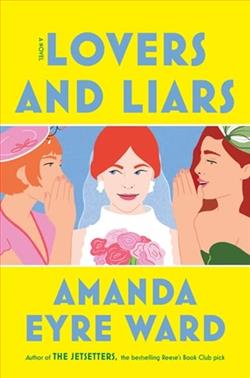
Amanda Eyre Ward's novel, Lovers and Liars, invites readers into the intricate world of familial bonds and personal secrets, all set against the backdrop of a picturesque English castle. This contemporary fiction work, reminiscent of family dramas by authors like Jodi Picoult and Liane Moriarty, delves into the complexities of sisterhood, love, and the lies we tell ourselves and others.
The story centers around the Peacock sisters—Sylvie, Cleo, and Emma—each grappling with their own personal struggles as they reunite for Sylvie's wedding at Mumberton Castle. Ward expertly crafts these characters, giving each sister a distinct voice and a compelling backstory. Sylvie, the bride-to-be, is a librarian whose life has been marked by loss. Her engagement to Simon Rampling, a wealthy and enigmatic man, offers her a chance at renewal. Yet, Sylvie's journey is not just about finding love again; it's about reconciling her past with her present, a theme that Ward explores with sensitivity and depth.
Cleo, the middle sister, is portrayed as the quintessential overachiever. A successful criminal defense lawyer, Cleo's skepticism of Simon adds a layer of tension to the narrative. Her role as the protector of the family is both a strength and a burden, and Ward deftly explores Cleo's internal conflict as she navigates her professional life and personal insecurities. The dynamic between Cleo and Simon serves as a catalyst for much of the novel's intrigue, raising questions about trust and the facades people maintain.
Emma, the youngest sister, presents a poignant exploration of financial strain and unfulfilled dreams. Her storyline is perhaps the most relatable, as it touches on the universal struggle of balancing familial responsibilities with personal aspirations. Ward's portrayal of Emma's silent suffering and her desire to break free from her self-imposed constraints is both heartbreaking and inspiring. The theme of silence versus expression is beautifully woven into Emma's narrative, particularly through her passion for creating perfumes—a metaphor for her unspoken desires.
Ward's writing style is both engaging and evocative, drawing readers into the lush setting of the castle and the emotional landscapes of her characters. Her use of descriptive language brings the setting to life, making the castle almost a character in its own right. The grandeur of the estate, with its libraries and medieval meals, contrasts sharply with the personal turmoil of the sisters, highlighting the disparity between appearance and reality—a recurring motif in the novel.
The emotional impact of Lovers and Liars is profound, as Ward captures the essence of familial relationships with authenticity and nuance. The sisters' interactions are laced with a mix of nostalgia, resentment, and love, reflecting the complicated nature of sibling bonds. The presence of their toxic mother adds another layer of complexity, forcing the sisters to confront their past and the roles they have played in each other's lives. This confrontation leads to moments of catharsis and growth, underscoring the novel's theme of forgiveness and the possibility of new beginnings.
Comparatively, Ward's exploration of family dynamics and personal redemption shares thematic similarities with works like Big Little Lies by Liane Moriarty. Both authors excel in creating multi-dimensional characters whose personal struggles resonate with readers. However, Ward's focus on the intricacies of sisterhood sets Lovers and Liars apart, offering a unique perspective on the bonds that both bind and liberate us.
In conclusion, Lovers and Liars by Amanda Eyre Ward is a compelling exploration of love, deception, and the enduring power of family. Through her well-drawn characters and vivid prose, Ward invites readers to reflect on their own relationships and the truths they hold dear. This novel is a testament to the resilience of the human spirit and the transformative power of forgiveness, making it a must-read for fans of contemporary family dramas.



