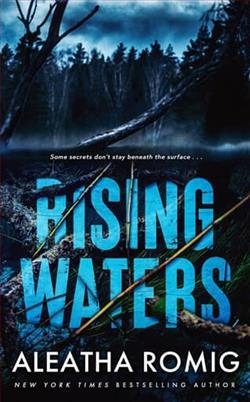
Aleatha Romig's "Rising Waters" is a masterful dive into the psychological thriller genre, weaving a tale that is both haunting and compelling. Set against the backdrop of a small town shrouded in secrets, the novel explores themes of buried trauma, deception, and the relentless pursuit of truth. Romig, known for her ability to craft intricate plots, does not disappoint in this atmospheric thriller that keeps readers on the edge of their seats.
The story follows Jillian Thorne, a character whose profession as a Hollywood crime scene creator ironically mirrors the real-life mysteries she must unravel in her hometown of Blue Gil. Jillian's return is prompted by the suspicious death of a high school football coach, a tragedy that quickly spirals into a complex web of secrets and lies. Romig skillfully uses Jillian's background to blur the lines between fiction and reality, creating a narrative that is as psychologically engaging as it is thrilling.
One of the standout elements of "Rising Waters" is its exploration of small-town dynamics. The town of Blue Gil is almost a character in itself, with its unspoken codes of silence and loyalty that protect its hidden truths. Romig captures the claustrophobic atmosphere of a community where everyone knows each other but no one knows the full story. This setting amplifies the tension and suspense, reminiscent of works by authors like Gillian Flynn and Tana French, who similarly delve into the dark underbelly of seemingly idyllic communities.
Character development is another strong suit of Romig's writing. Jillian Thorne is a complex protagonist, haunted by her past yet driven by a need to uncover the truth. Her journey is both a physical return to her roots and an emotional confrontation with her own buried traumas. Romig paints Jillian with depth and nuance, making her a relatable and compelling figure. The supporting characters, each with their own secrets and motivations, add layers to the narrative, ensuring that the reader is constantly questioning who can be trusted.
Romig's writing style is both evocative and precise, capturing the eerie and unsettling mood of the story. Her use of descriptive language brings the town of Blue Gil to life, from its shadowy corners to its seemingly serene facades. The pacing is expertly handled, with tension building steadily as the plot unfolds. Romig's ability to craft unexpected twists and turns keeps the reader engaged, ensuring that the story remains unpredictable until the very end.
Emotionally, "Rising Waters" packs a powerful punch. The themes of trauma and memory are explored with sensitivity, highlighting how past experiences can shape and haunt individuals. Jillian's personal journey is one of resilience and courage, as she confronts not only the mysteries of Blue Gil but also her own inner demons. This emotional depth adds a layer of poignancy to the thriller, elevating it beyond mere suspense to a more profound exploration of the human psyche.
In comparison to other psychological thrillers, "Rising Waters" stands out for its intricate plot and well-developed characters. While it shares thematic similarities with works like "Sharp Objects" by Gillian Flynn, Romig's novel offers a unique perspective through its protagonist's dual role as both creator and investigator of crime scenes. This duality adds a fascinating dimension to the narrative, inviting readers to question the nature of reality and fiction.
Overall, Aleatha Romig's "Rising Waters" is a gripping psychological thriller that will appeal to fans of the genre. With its rich character development, atmospheric setting, and intricate plot, the novel offers a thrilling and thought-provoking reading experience. Romig's skillful storytelling ensures that the secrets of Blue Gil remain tantalizingly out of reach until the final pages, making this a must-read for anyone who enjoys a well-crafted mystery with emotional depth.



