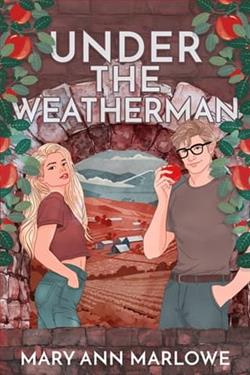
Mary Ann Marlowe's "Under the Weatherman" is a delightful foray into the romantic comedy genre, blending humor, mistaken identities, and the complexities of modern relationships. The novel kicks off with a premise that is both intriguing and relatable, as the protagonist finds herself entangled in a web of lies spun from a simple dare. This setup not only sets the stage for a series of comedic events but also delves into deeper themes of identity and authenticity.
The narrative follows the protagonist, who is coaxed by her best friend into approaching a stranger at a bar and fabricating a story about her life. This stranger, Evan, is not just any random individual but turns out to be a charming, seemingly too-good-to-be-true character with his own secrets. The initial interaction between the two is a masterclass in witty banter, reminiscent of the playful exchanges found in works by Sophie Kinsella or Helen Fielding. The chemistry between the characters is palpable, drawing readers into their world with ease.
Character development is one of Marlowe's strong suits in "Under the Weatherman." The protagonist, initially portrayed as someone who prefers the company of books over people, undergoes significant growth throughout the story. Her journey from a reserved individual to someone willing to embrace vulnerability is both believable and inspiring. Evan, on the other hand, is a complex character who defies the typical romantic lead archetype. His initial portrayal as a suave and confident man gradually reveals layers of depth, making him a compelling counterpart to the protagonist.
The theme of identity is central to the novel, as the characters grapple with the personas they present to the world versus their true selves. This exploration is particularly relevant in today's digital age, where social media often blurs the lines between reality and facade. Marlowe deftly handles this theme, encouraging readers to reflect on their own lives and the masks they might wear. The book also touches on the importance of honesty and communication in relationships, a timeless message that resonates deeply.
Mary Ann Marlowe's writing style is engaging and accessible, characterized by sharp dialogue and vivid descriptions. Her ability to balance humor with heartfelt moments is reminiscent of authors like Meg Cabot and Jennifer Crusie. The pacing of the novel is well-executed, with each chapter leaving readers eager to discover what happens next. Marlowe's knack for creating relatable, flawed characters ensures that the story remains grounded, even amidst the more outlandish scenarios.
Emotionally, "Under the Weatherman" is a rollercoaster. Readers will find themselves laughing out loud at the absurd situations the characters find themselves in, while also empathizing with their struggles and triumphs. The emotional depth of the novel is enhanced by Marlowe's skillful portrayal of the characters' internal conflicts, making their eventual resolutions all the more satisfying.
In comparison to other romantic comedies, "Under the Weatherman" stands out for its unique premise and well-rounded characters. While it shares the humor and charm of works by authors like Emily Henry or Christina Lauren, Marlowe's novel offers a fresh perspective on the genre. The book's exploration of identity and the consequences of deception adds a layer of complexity that elevates it beyond a simple romantic escapade.
Overall, "Under the Weatherman" by Mary Ann Marlowe is a must-read for fans of romantic comedies and contemporary fiction. Its blend of humor, romance, and introspection makes it a compelling addition to any bookshelf. The novel's exploration of identity and authenticity is both timely and thought-provoking, ensuring that it will resonate with readers long after the final page is turned. Whether you're a longtime fan of the genre or new to Marlowe's work, "Under the Weatherman" promises an engaging and memorable reading experience.



