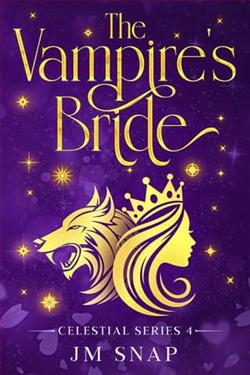
J.M. Snap's "The Vampire's Bride" is a captivating addition to the paranormal romance genre, weaving together themes of duty, love, and identity in a narrative that is both engaging and emotionally resonant. Set against the backdrop of two powerful kingdoms—the werewolves and the vampires—the novel explores the complexities of political alliances and personal desires, offering readers a rich tapestry of intrigue and romance.
At the heart of the story is Lucie, the only daughter of the Werewolf King and Queen. Her character is intricately developed, embodying the tension between personal sacrifice and the weight of responsibility. Lucie's journey is one of self-discovery, as she grapples with her role as a bridge between two worlds. Her impending marriage to Derrick, the vampire prince, is not just a political necessity but a personal trial, as it represents a life devoid of passion and the mythical mate bond she has always yearned for. Snap skillfully portrays Lucie's internal conflict, making her a relatable and sympathetic protagonist.
The introduction of a mysterious vampire warrior adds a compelling twist to the narrative. This character embodies the allure and danger that often accompany the vampire archetype in literature. His presence challenges Lucie's preconceived notions of duty and desire, offering her a glimpse of what true connection could feel like. The chemistry between Lucie and this enigmatic figure is palpable, and Snap's writing captures the intensity of their bond with vivid, evocative prose. The tension between Lucie's obligations and her heart's desires is a central theme that drives the narrative forward, keeping readers invested in her fate.
J.M. Snap's writing style is both lush and accessible, striking a balance that will appeal to both seasoned fans of paranormal romance and newcomers to the genre. Her descriptive passages bring the world of werewolves and vampires to life, creating a vivid setting that enhances the story's emotional depth. The dialogue is sharp and often laced with wit, adding a layer of realism to the fantastical elements of the plot. Snap's ability to blend romance, action, and political intrigue is reminiscent of authors like Nalini Singh and Kresley Cole, yet she maintains a unique voice that sets her apart.
One of the novel's most compelling aspects is its exploration of identity and choice. Lucie's struggle to reconcile her personal desires with her duty to her kingdom is a universal theme that resonates beyond the confines of the paranormal genre. The book delves into questions of loyalty and self-sacrifice, challenging characters and readers alike to consider what it means to truly belong. As secrets unravel and the stakes rise, Lucie must navigate a path that could either unite or destroy the worlds she holds dear.
The emotional impact of "The Vampire's Bride" is significant, thanks in large part to Snap's deft character development and the high stakes of the plot. Readers will find themselves rooting for Lucie, torn between her duty and her heart, and the resolution of her journey is both satisfying and thought-provoking. The novel's pacing is well-executed, with moments of tension and introspection balanced by action and romance. This dynamic keeps the narrative engaging from start to finish, ensuring that readers remain invested in the outcome.
In conclusion, "The Vampire's Bride" by J.M. Snap is a standout entry in the realm of paranormal romance, offering a fresh take on familiar themes with its well-drawn characters and intricate plot. Fans of the genre will appreciate the novel's blend of romance, intrigue, and fantasy, while newcomers will find it an accessible and compelling introduction to the world of werewolves and vampires. Snap's ability to craft a story that is both entertaining and emotionally resonant makes this book a must-read for anyone seeking a tale of love, loyalty, and the power of choice.



