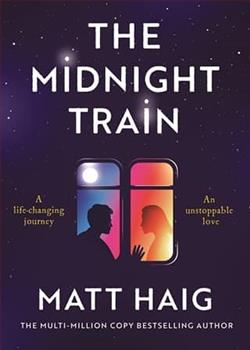
Matt Haig's latest novel, The Midnight Train, is a mesmerizing journey through time, love, and self-reflection. Known for his ability to weave profound philosophical questions into engaging narratives, Haig once again invites readers to ponder the complexities of life and the choices that define us. This time-traveling love story, set against the backdrop of the enchanting world introduced in The Midnight Library, explores the notion of revisiting pivotal moments in one's life, offering a fresh perspective on the age-old question: What if you could change the past?
At the heart of The Midnight Train is Wilbur, a character whose journey is as much about self-discovery as it is about love. Wilbur's life is marked by regret, particularly regarding his relationship with Maggie, the love of his life. Their honeymoon in Venice represents the pinnacle of his happiness, a time before he "gave it all away." Haig skillfully develops Wilbur's character, making him relatable and deeply human. His longing to return to those cherished moments with Maggie is palpable, and readers will find themselves rooting for him, even as they understand the risks involved in tampering with time.
The theme of regret is central to the novel, and Haig explores it with a deft touch. Through Wilbur's eyes, readers are invited to reflect on their own lives and the choices that have shaped them. The concept of the Midnight Train, a magical vehicle that allows one to revisit the past, serves as a metaphor for the desire to rewrite one's history. However, Haig is careful to emphasize that while the past cannot be changed, it can be understood and accepted. This nuanced approach adds depth to the narrative, encouraging readers to consider the importance of forgiveness and self-compassion.
Haig's writing style in The Midnight Train is both lyrical and accessible, a hallmark of his previous works. His prose is imbued with a sense of wonder, capturing the magic of time travel while grounding the story in emotional truth. The vivid descriptions of Venice, with its winding canals and romantic allure, serve as a perfect backdrop for Wilbur and Maggie's love story. Haig's ability to evoke a sense of place enhances the novel's emotional impact, drawing readers into the world he has created.
Emotionally, The Midnight Train is a rollercoaster. Haig masterfully balances moments of joy and sorrow, creating a narrative that resonates on a deeply personal level. The love story between Wilbur and Maggie is tender and heartfelt, capturing the complexities of a relationship tested by time and circumstance. Readers will find themselves moved by Wilbur's journey, as he grapples with the consequences of his actions and the possibility of redemption.
Comparisons to Haig's previous work, The Midnight Library, are inevitable, given the shared thematic elements and the exploration of alternate realities. However, The Midnight Train stands on its own as a unique and compelling narrative. While both novels delve into the concept of second chances, The Midnight Train offers a more intimate exploration of love and regret, focusing on the personal rather than the existential. Fans of Haig's work will appreciate the continuity of themes, while new readers will find themselves captivated by his storytelling prowess.
In the realm of time-travel fiction, The Midnight Train aligns with works by authors like Audrey Niffenegger and Kate Atkinson, who similarly explore the intersection of time, love, and destiny. Haig's novel, however, distinguishes itself through its philosophical depth and emotional resonance. The narrative's focus on personal growth and acceptance sets it apart, offering readers a thought-provoking and ultimately uplifting experience.
Overall, The Midnight Train is a testament to Matt Haig's ability to craft stories that are both entertaining and enlightening. His exploration of love, regret, and the human condition is both poignant and profound, making this novel a must-read for fans of literary fiction and time-travel enthusiasts alike. As readers turn the final page, they will be left with a renewed appreciation for the moments that define us and the choices that shape our lives.



