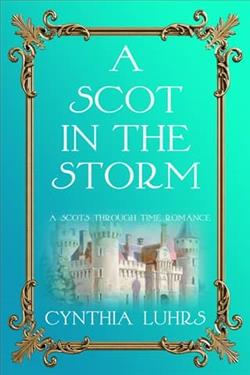
Cynthia Luhrs' novel, A Scot in the Storm, is a captivating addition to the time-travel romance genre, offering readers a blend of historical intrigue, emotional depth, and a sweeping love story that transcends centuries. Set against the rugged and atmospheric backdrop of the Scottish coast, this novel weaves together themes of destiny, love, and the passage of time, creating a narrative that is both engaging and thought-provoking.
The story begins with Dr. Abigail Winston, a character whose life is unraveling due to personal grief and professional burnout. Luhrs skillfully portrays Abigail's emotional turmoil, making her a relatable and sympathetic protagonist. Her decision to escape to a remote lighthouse museum on the Scottish coast sets the stage for the novel's central conflict. The lighthouse, with its historical significance and mysterious aura, becomes a character in its own right, symbolizing both isolation and illumination.
Luhrs' writing style is both lyrical and immersive, drawing readers into the stormy coastal setting with vivid descriptions that evoke the wild beauty of Scotland. The author's attention to detail in depicting the historical atmosphere of the late 18th century adds authenticity to the narrative, allowing readers to fully immerse themselves in the time period. The lighthouse, Kinnaird Head, serves as a perfect metaphor for the novel's exploration of light and darkness, both literal and metaphorical.
The discovery of Captain Rory Sinclair's letters is a pivotal moment in the story, introducing an element of mystery and intrigue. Rory, the brooding lighthouse engineer, is a well-crafted character whose honorable nature and hidden griefs make him a compelling counterpart to Abigail. Luhrs excels in developing the slow-burn tension between the two characters, allowing their relationship to evolve naturally and believably. The letters, with their impossible details about Abigail's future, add a layer of suspense and foreshadowing that keeps readers engaged.
When a violent storm transports Abigail back to 1787, the novel takes on a new dimension, blending historical romance with elements of time travel. This transition is handled seamlessly by Luhrs, who maintains the emotional core of the story while introducing new challenges and dynamics. The forced proximity between Abigail and Rory in the past allows for deeper character development and exploration of their individual and shared struggles.
The theme of found family is another significant aspect of A Scot in the Storm. As Abigail becomes integrated into life at Kinnaird Head, she forms connections with the people around her, creating a sense of belonging and community that contrasts with her initial isolation. This theme is beautifully woven into the narrative, highlighting the importance of human connection and support, regardless of the time period.
Luhrs' ability to evoke bittersweet longing is one of the novel's standout features. The emotional impact of Abigail's dilemma—choosing between the life she knows and the love she has found—is palpable and resonates with readers. The author deftly balances the tension between past and present, creating a sense of urgency and inevitability that drives the story forward. The storm that brought Abigail through time becomes a powerful symbol of change and transformation, underscoring the novel's exploration of fate and choice.
In comparison to other works in the time-travel romance genre, such as Diana Gabaldon's Outlander series, A Scot in the Storm distinguishes itself with its focus on emotional intimacy and character-driven storytelling. While both authors excel in creating richly detailed historical settings, Luhrs' novel is more introspective, delving into the inner lives of its characters and the emotional complexities of their relationships. This focus on character development and emotional resonance makes A Scot in the Storm a memorable and impactful read.
The novel's conclusion, while offering a guaranteed happily-ever-after, does not shy away from the complexities and sacrifices inherent in Abigail's journey. Luhrs' nuanced portrayal of love and destiny ensures that the resolution feels earned and satisfying, leaving readers with a sense of hope and fulfillment. The emotional journey of the characters, coupled with the novel's evocative setting and rich historical detail, makes A Scot in the Storm a standout in the genre.
Overall, Cynthia Luhrs has crafted a beautifully written and emotionally resonant novel that will appeal to fans of Scottish time-travel romance and historical fiction alike. A Scot in the Storm is a testament to the enduring power of love and the ways in which it can bridge the gap between past and present. With its compelling characters, evocative setting, and poignant themes, this novel is sure to leave a lasting impression on readers and secure its place as a beloved addition to the time-travel romance canon.



