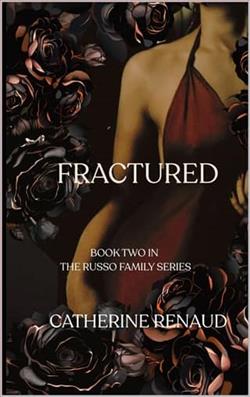
"Fractured" by Catherine Renaud is a gripping exploration of identity, power dynamics, and the quest for freedom, set against the backdrop of a society bound by rigid expectations and traditions. This novel, with its intense emotional landscape and complex characters, invites readers into a world where appearances are deceiving and the struggle for autonomy is fraught with peril.
At the heart of "Fractured" is the protagonist, a woman who defies the conventional mold expected by her family and society. Her physical appearance starkly contrasts with the idealized image of femininity represented by her mother and sister, a theme that Renaud deftly uses to underscore the protagonist's internal and external conflicts. This divergence is not merely superficial; it symbolizes her broader struggle against the societal norms that seek to confine her. The protagonist's journey is one of self-discovery and empowerment, as she navigates the oppressive expectations placed upon her by both her family and her impending marriage to the enigmatic Mr. Alexander Russo.
Renaud crafts Mr. Russo as a complex antagonist whose presence looms large over the narrative. His character is a study in contrasts—charming yet menacing, powerful yet deeply flawed. The dynamic between him and the protagonist is charged with tension, reflecting the broader theme of control versus autonomy. Renaud's portrayal of Mr. Russo's predatory behavior and the protagonist's subsequent fear and defiance is both chilling and compelling, drawing readers into the psychological intricacies of their relationship.
The writing style in "Fractured" is both evocative and immersive, with Renaud employing a first-person narrative that allows readers to experience the protagonist's emotions and thoughts intimately. This choice of perspective is particularly effective in conveying the protagonist's sense of entrapment and her desperate yearning for freedom. Renaud's prose is rich with descriptive detail, painting vivid pictures of the protagonist's world and the people who inhabit it. The author's ability to balance tension and introspection keeps the narrative engaging, ensuring that readers remain invested in the protagonist's fate.
Emotionally, "Fractured" is a rollercoaster, as Renaud expertly navigates the highs and lows of the protagonist's journey. The novel's emotional impact is heightened by its exploration of themes such as self-worth, resilience, and the courage to defy societal norms. The protagonist's evolution from a woman constrained by fear to one who takes control of her destiny is both inspiring and thought-provoking. Renaud's nuanced portrayal of this transformation resonates deeply, offering readers a powerful commentary on the importance of self-determination and the fight for personal freedom.
In comparison to other works in the psychological thriller genre, "Fractured" stands out for its focus on character development and thematic depth. While it shares similarities with novels that explore the darker aspects of human relationships, such as Gillian Flynn's "Gone Girl" or Paula Hawkins' "The Girl on the Train," Renaud's work is distinguished by its emphasis on the protagonist's internal journey and the societal pressures that shape her reality. This focus on the intersection of personal and societal conflict adds a layer of complexity that enriches the narrative and invites deeper reflection.
Overall, "Fractured" by Catherine Renaud is a compelling addition to the psychological thriller genre, offering readers a thought-provoking exploration of identity, power, and the quest for freedom. Renaud's skillful character development, evocative writing style, and the novel's emotional resonance make it a must-read for fans of the genre and those interested in stories that delve into the complexities of human relationships and societal expectations. As the protagonist fights to reclaim her life and agency, readers are left with a powerful reminder of the strength and resilience required to break free from the constraints that bind us.



