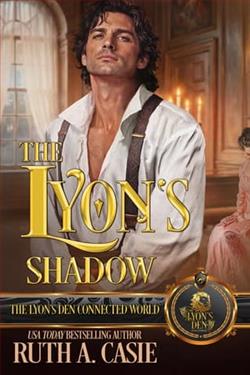
Ruth A. Casie's novel, The Lyon's Shadow, is a captivating entry into the world of historical romance, weaving a tale that is both tender and profound. The story centers around Marcus, Viscount Wolfton, a once notorious rogue who returns to society with a quieter demeanor and his young son, who becomes the focal point of his life. The transformation of Marcus from a charming rogue to a devoted father is one of the novel's most compelling aspects, showcasing Casie's ability to craft complex, evolving characters.
The narrative unfolds with the introduction of Miss Lila Edgewood, a woman who has carved out her own space in society through her music. Lila's character is a refreshing portrayal of independence and self-determination, a woman who has chosen herself and her passions over societal expectations. Her encounter with Marcus at the Lyon’s Den sets the stage for a slow-burn romance that is as much about personal growth as it is about love.
Casie’s writing style is both elegant and immersive, drawing readers into the richly detailed world of Regency England. Her prose is marked by a lyrical quality that enhances the emotional depth of the story. The way she captures the nuances of the characters' interactions, particularly through music, adds a layer of intimacy and connection that resonates throughout the novel. The use of music as a motif is particularly effective, symbolizing both the harmony and discord in the characters' lives.
The themes of healing and redemption are central to The Lyon's Shadow. Marcus's journey from a life of mischief to one of responsibility and love is mirrored by Lila's own path to self-acceptance and fulfillment. The novel explores the idea that true healing comes not from being rescued, but from finding strength within oneself and in the support of others. This is beautifully illustrated through the developing relationship between Marcus and Lila, which is built on mutual respect and understanding rather than dependency.
One of the standout elements of the book is its exploration of found family. Marcus and Lila's connection extends beyond their romantic involvement, encompassing Marcus's son and the broader community they build around themselves. This theme is reminiscent of works by authors like Mary Balogh and Lisa Kleypas, who similarly delve into the creation of familial bonds that transcend blood relations. Casie’s portrayal of family as a chosen and cherished entity adds warmth and depth to the narrative.
The emotional impact of The Lyon's Shadow is profound, as Casie deftly balances moments of tension with those of tenderness and joy. The quiet, protective nature of Marcus as a hero is a refreshing departure from the more dominant male archetypes often found in historical romance. His vulnerability and dedication to his son and Lila make him an endearing and relatable character. Lila, on the other hand, embodies strength and resilience, her journey a testament to the power of self-discovery and the courage to embrace love when it arrives.
Casie’s ability to create a slow-burn romance is particularly noteworthy. The gradual development of Marcus and Lila's relationship allows for a deep emotional connection to form, making their eventual union all the more satisfying. This pacing is reminiscent of the works of Tessa Dare and Julia Quinn, where the emphasis is placed on character development and emotional resonance rather than instant attraction.
In conclusion, The Lyon's Shadow by Ruth A. Casie is a beautifully crafted historical romance that offers a rich tapestry of themes and character development. The novel's exploration of love, healing, and the formation of a found family is both moving and inspiring. Casie's lyrical prose and nuanced storytelling make this a must-read for fans of the genre, providing a poignant reminder that love, in all its forms, is worth waiting for. Whether you are a long-time admirer of historical romance or new to the genre, The Lyon's Shadow promises a rewarding and emotionally fulfilling reading experience.



