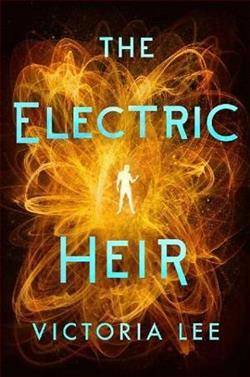
Victoria Lee’s The Electric Heir is a compelling sequel that delves deeper into the dystopian world introduced in The Fever King. Set in a politically charged landscape, the novel continues to explore themes of power, memory, and identity, making it a gripping read for fans of young adult science fiction and fantasy. Lee’s narrative is both a continuation and an expansion, offering readers a chance to engage with complex characters and intricate plotlines.
At the heart of The Electric Heir is the character development of Noam Álvaro and Dara Shirazi. Noam, who once believed in the revolutionary change he helped instigate, now finds himself in a precarious position. His internal struggle is palpable as he grapples with the realization that Lehrer, the man he once admired, is the very architect of the chaos he seeks to dismantle. Lee expertly portrays Noam’s dual role as both a protégé and a saboteur, creating a tension that is both thrilling and heartbreaking. The psychological depth given to Noam’s character is reminiscent of the internal conflicts seen in works like Suzanne Collins’ The Hunger Games, where protagonists must navigate the treacherous waters of political machinations while staying true to their moral compass.
Dara Shirazi’s return to Carolinia adds another layer of complexity to the narrative. Stripped of his magic, Dara’s vulnerability is laid bare, yet his determination to fight against Lehrer’s regime remains unshaken. The dynamic between Dara and Noam is fraught with tension, as their differing approaches to rebellion highlight the theme of ideological conflict. Dara’s fear that Noam is becoming ensnared in Lehrer’s manipulative web is a poignant reminder of the cost of resistance. Lee’s portrayal of Dara’s internal conflict and his struggle to reconcile his past with his present is both authentic and emotionally resonant.
Victoria Lee’s writing style in The Electric Heir is both evocative and immersive. Her ability to weave intricate details into the fabric of the narrative creates a vivid world that is both familiar and fantastical. The prose is laced with a sense of urgency that mirrors the high stakes faced by the characters. Lee’s use of language is particularly effective in conveying the emotional weight of the story, drawing readers into the characters’ inner worlds. This style is comparable to that of Leigh Bardugo, known for her richly detailed fantasy worlds and complex character dynamics.
One of the major themes in The Electric Heir is the exploration of power and its corrupting influence. Lehrer’s character embodies the seductive nature of power and the lengths individuals will go to maintain control. The novel raises important questions about the nature of leadership and the ethical responsibilities that come with it. Lee does not shy away from depicting the moral ambiguities faced by those in power, making the narrative both thought-provoking and relevant to contemporary discussions about governance and authority.
Memory and identity are also central themes in the novel. Noam’s journey is one of self-discovery, as he pieces together the fragments of his past that Lehrer tried to erase. This exploration of memory is intricately tied to the concept of identity, as Noam must confront who he is and who he wants to become. Lee’s treatment of these themes is nuanced, offering readers a profound reflection on the ways in which our memories shape our sense of self.
The emotional impact of The Electric Heir is undeniable. Lee crafts a narrative that is as emotionally charged as it is action-packed. The stakes are high, and the consequences of failure are dire, creating a sense of urgency that propels the story forward. Readers will find themselves deeply invested in the fates of Noam and Dara, as their struggles resonate on both a personal and universal level. The novel’s exploration of trauma, resilience, and hope is both poignant and inspiring, leaving a lasting impression long after the final page is turned.
In conclusion, Victoria Lee’s The Electric Heir is a masterful continuation of the world she introduced in The Fever King. With its complex characters, intricate plot, and exploration of profound themes, the novel is a standout in the young adult science fiction and fantasy genre. Lee’s ability to blend political intrigue with emotional depth makes this a must-read for fans of dystopian narratives. Whether you are drawn to stories of rebellion, psychological complexity, or the enduring power of hope, The Electric Heir offers a rich and rewarding reading experience.



