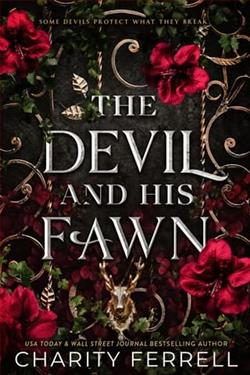
Charity Ferrell's "The Devil and His Fawn" is a gripping foray into the dark, seductive world of secret societies and forbidden romance. Set against the backdrop of Saint Vale University, a secluded haven for the elite's most wayward offspring, the novel delves into themes of power, manipulation, and the struggle for autonomy. Ferrell crafts a narrative that is both thrilling and introspective, inviting readers to explore the complex dynamics of control and desire.
The story centers around the protagonist, who finds herself thrust into the enigmatic and dangerous world of the Night Sons, a clandestine group that exerts its influence over the university. The concept of the Night Sons choosing a "Fawn" each year—a female student to serve as a pawn—sets the stage for a narrative rife with tension and intrigue. This premise immediately draws parallels to other works in the dark academia and romantic suspense genres, echoing the atmospheric tension found in novels like Donna Tartt's "The Secret History" and the romantic intensity of works by authors like Penelope Douglas.
Ferrell's writing style is both evocative and immersive, painting vivid pictures of the opulent yet oppressive world her characters inhabit. Her prose is laced with a sense of foreboding that keeps readers on edge, while her attention to detail ensures that the setting feels both tangible and otherworldly. The author deftly balances the novel's darker elements with moments of introspection and vulnerability, particularly through the evolving relationship between the protagonist and Enzo Marchetti, the enigmatic Night Son who claims her.
Character development is a standout aspect of "The Devil and His Fawn." The protagonist is portrayed as a resilient and defiant figure, whose refusal to be broken by the oppressive forces around her makes her a compelling and relatable character. Her journey from a pawn in a dangerous game to a woman who challenges the status quo is both empowering and thought-provoking. Enzo, on the other hand, is a complex character whose initial portrayal as a ruthless and calculating figure gradually gives way to a more nuanced depiction. As the layers of his persona are peeled back, readers are invited to explore the dichotomy between his loyalty to the Night Sons and his growing obsession with the protagonist.
The emotional impact of the novel is heightened by Ferrell's exploration of themes such as loyalty, sacrifice, and the quest for identity. The tension between Enzo's obligations to his brotherhood and his feelings for the protagonist creates a compelling internal conflict that drives the narrative forward. This struggle is mirrored in the protagonist's own journey, as she grapples with her past and the choices that have led her to this point. The interplay between these themes adds depth to the story, elevating it beyond a simple tale of romance and intrigue.
Ferrell's ability to weave these elements together results in a novel that is both captivating and thought-provoking. The emotional stakes are high, and the reader is constantly reminded of the precarious balance between power and vulnerability. The novel's exploration of the darker aspects of desire and control is reminiscent of works by authors like Sylvia Day and E.L. James, yet Ferrell manages to carve out her own niche within the genre, offering a fresh perspective on familiar themes.
In conclusion, "The Devil and His Fawn" by Charity Ferrell is a masterful blend of romance, suspense, and dark academia. The novel's intricate plot, well-developed characters, and evocative writing style make it a standout addition to the genre. Ferrell's exploration of themes such as power, loyalty, and identity ensures that the story resonates on a deeper level, offering readers both entertainment and introspection. For those seeking a novel that combines the allure of forbidden romance with the intrigue of secret societies, "The Devil and His Fawn" is a must-read that promises to captivate and challenge in equal measure.



