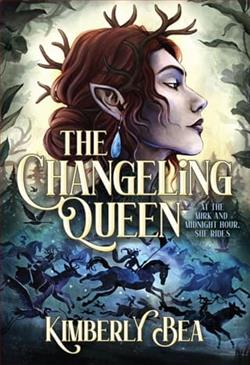
Kimberly Bea's The Changeling Queen is a mesmerizing retelling of the Scottish "Ballad of Tam Lin," weaving a rich tapestry of folklore, desire, and sacrifice. This lyrical and sensual narrative is a feminist exploration that delves into the complexities of identity and belonging, set against the backdrop of medieval Scotland. Bea's novel is a compelling addition to the genre of mythological retellings, standing alongside the works of Natalie Haynes and Holly Black, yet carving its own unique niche with its intricate character development and evocative prose.
At the heart of The Changeling Queen is the character of Bess, the Faery Queen, whose journey from a changeling daughter of a midwife to a powerful faery monarch is both tragic and inspiring. Bea's portrayal of Bess is multifaceted; she is neither wholly villainous nor entirely sympathetic, embodying the duality of her magical and mortal heritage. This duality is a recurring theme throughout the novel, as Bess grapples with her identity and the expectations placed upon her by both the mortal and faery realms. Her relationship with Thomas Shepherd, the charming yet flawed son of a noble, adds depth to her character, highlighting her vulnerability and desire for connection.
The novel's exploration of identity is further enriched by the character of Janet, whose determination to save her lover Tam Lin from the clutches of the Wild Hunt serves as a catalyst for the story's events. Janet's strength and resilience are emblematic of the novel's feminist undertones, as she challenges the patriarchal structures of her time and defies the Faery Queen's expectations. Bea skillfully contrasts Janet's mortal perspective with Bess's faery viewpoint, creating a dynamic interplay between the two women that drives the narrative forward.
Bea's writing style is both lyrical and immersive, capturing the enchanting yet perilous nature of the faery realm. Her prose is imbued with a sense of wonder and danger, reflecting the duality of the world she has created. The novel's pacing is deliberate, allowing readers to savor the rich descriptions and complex character interactions. Bea's use of language is particularly effective in conveying the emotional stakes of the story, drawing readers into the characters' internal struggles and desires.
The emotional impact of The Changeling Queen is profound, as Bea explores themes of love, betrayal, and redemption. The novel's central conflict between Janet and the Faery Queen is not merely a battle for Tam Lin's fate but a deeper exploration of the sacrifices required by love and the cost of power. Bea's nuanced portrayal of these themes resonates with readers, inviting them to reflect on their own experiences of love and loss.
In comparison to other works in the genre, The Changeling Queen stands out for its intricate character development and its focus on the female experience. While fans of Genevieve Gornichec's The Witch's Heart or Callie Hart's Quicksilver will find familiar elements in Bea's novel, her emphasis on the interplay between mortal and faery identities offers a fresh perspective on the traditional folklore narrative. Bea's ability to balance the mythical with the personal creates a story that is both epic in scope and intimate in its emotional resonance.
Overall, The Changeling Queen is a spellbinding tale that will captivate fans of mythological retellings and fantasy alike. Kimberly Bea has crafted a novel that is both a tribute to the enduring power of folklore and a contemporary exploration of identity and belonging. Her deft storytelling and richly drawn characters ensure that this novel will linger in the minds of readers long after the final page is turned. For those seeking a story that combines the wonder of nature with the complexities of human emotion, The Changeling Queen is an enchanting and thought-provoking read.



