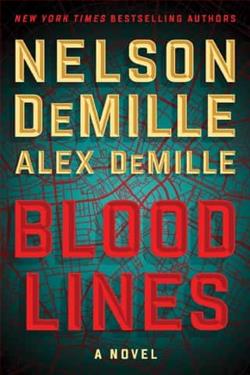
Nelson DeMille's latest thriller, Blood Lines, is a gripping addition to the genre, weaving together elements of mystery, espionage, and political intrigue. Set against the backdrop of modern-day Berlin, the novel reunites Army Criminal Investigation Agents Scott Brodie and Maggie Taylor as they delve into the murder of CID Special Agent Harry Vance. DeMille, known for his ability to craft intricate plots and dynamic characters, does not disappoint in this latest offering.
The novel opens with the discovery of Vance's body in a Berlin park, a location that immediately suggests a complex web of cultural and political tensions. The initial suspicion of Islamic terrorism is a red herring that DeMille skillfully uses to explore deeper themes of prejudice, fear, and the socio-political landscape of contemporary Germany. As Brodie and Taylor investigate, they uncover layers of intrigue that extend beyond the murder itself, touching on the dark legacy of the Cold War and the unsettling rise of neo-Nazi movements.
DeMille's portrayal of Berlin is vivid and atmospheric, capturing the city's unique blend of history and modernity. His attention to detail in describing the setting enhances the narrative, making the city almost a character in its own right. This is reminiscent of the way John le Carré uses location to enrich his spy novels, providing a palpable sense of place that grounds the story in reality.
The character development of Brodie and Taylor is one of the novel's standout features. DeMille has crafted two protagonists who are both relatable and complex. Brodie, with his sharp wit and unyielding determination, contrasts beautifully with Taylor's analytical mind and empathetic approach. Their dynamic is compelling, marked by a professional camaraderie that hints at deeper emotional undercurrents. As they navigate the treacherous waters of international espionage, their personal growth and evolving relationship add depth to the narrative.
In terms of writing style, DeMille employs a crisp, engaging prose that keeps the reader hooked from start to finish. His dialogue is sharp and realistic, often infused with humor that provides a welcome respite from the tension. The pacing is expertly managed, with a balance of action and introspection that allows for both thrilling sequences and moments of reflection. This balance is crucial in maintaining the reader's interest and ensuring that the plot's complexity does not become overwhelming.
The emotional impact of Blood Lines is significant, as DeMille tackles themes of loyalty, betrayal, and the moral ambiguities inherent in espionage work. The novel raises questions about the cost of secrecy and the ethical dilemmas faced by those who operate in the shadows. These themes resonate with the reader, prompting reflection on the broader implications of the characters' actions and the world they inhabit.
Comparisons to other works in the genre are inevitable, and Blood Lines holds its own against the likes of Robert Ludlum and Daniel Silva. DeMille's ability to blend a fast-paced plot with nuanced character studies sets him apart, offering a reading experience that is both intellectually stimulating and emotionally satisfying. The novel's exploration of contemporary issues, such as the refugee crisis and the resurgence of far-right ideologies, adds a layer of relevance that enhances its appeal to modern audiences.
In conclusion, Nelson DeMille's Blood Lines is a masterfully crafted thriller that combines a compelling mystery with rich character development and a thought-provoking exploration of timely themes. Fans of the genre will find much to admire in DeMille's latest work, which stands as a testament to his skill as a storyteller. Whether you are a long-time admirer of DeMille's work or a newcomer to his novels, Blood Lines promises a captivating read that will linger in your mind long after the final page is turned.



