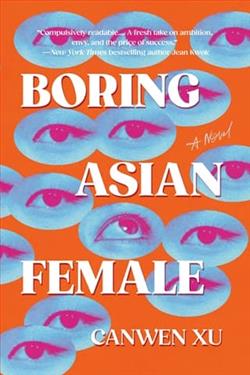
Canwen Xu's "Boring Asian Female" is a compelling exploration of identity, ambition, and the pressures of societal expectations. At its core, the novel delves into the psyche of Elizabeth Zhang, a character whose life is meticulously planned around her aspiration to attend Harvard Law School. Xu crafts a narrative that is both a personal journey and a broader commentary on the cultural and systemic pressures faced by many young Asian women today.
Elizabeth Zhang is a character who resonates deeply with readers, not just for her intelligence and ambition but for her vulnerability and the relatable nature of her struggles. Xu's portrayal of Elizabeth is nuanced, capturing the internal conflict between her self-worth and the external validation she seeks. Elizabeth's journey is marked by her reaction to rejection—a rejection that feels both personal and emblematic of a larger societal issue. The author skillfully uses Elizabeth's character to explore themes of identity and self-perception, questioning what it means to be "interesting" or "special" in a world that often reduces individuals to stereotypes or statistics.
The theme of identity is intricately woven throughout the novel. Elizabeth's perception of herself as a "boring Asian female" is a powerful commentary on the stereotypes that persist in academic and professional settings. Xu challenges these stereotypes by presenting Elizabeth as a complex individual whose worth cannot be quantified by academic achievements alone. The novel's exploration of identity is reminiscent of works by authors like Celeste Ng and Jhumpa Lahiri, who also tackle the intricacies of cultural identity and the immigrant experience.
Xu's writing style is both engaging and thought-provoking. Her prose is crisp and clear, yet it carries an emotional depth that draws readers into Elizabeth's world. The narrative is paced in a way that maintains tension and intrigue, particularly as Elizabeth becomes increasingly obsessed with understanding why Laura Kim was accepted into Harvard. This obsession leads Elizabeth down a path of self-discovery and, ultimately, self-destruction, as she grapples with the darker aspects of her ambition.
The emotional impact of "Boring Asian Female" is profound. Xu captures the anxiety and pressure that come with high expectations, both self-imposed and societal. Elizabeth's journey is a stark reminder of the mental health challenges that can arise from the relentless pursuit of success. The novel does not shy away from depicting the toll that this pressure takes on Elizabeth's mental well-being, making it a poignant read for anyone who has ever felt the weight of expectation.
In terms of character development, Xu excels at creating multidimensional characters who evolve throughout the story. Elizabeth's transformation from a driven, albeit insecure, student to someone who is willing to compromise her values for success is both believable and unsettling. Her interactions with Laura Kim serve as a catalyst for this transformation, highlighting the competitive nature of academic environments and the lengths to which individuals will go to achieve their goals.
The novel also raises important questions about the nature of success and the cost of achieving it. Xu invites readers to consider what it means to be successful and whether the pursuit of success is worth the sacrifices it often demands. This theme is particularly relevant in today's society, where the pressure to excel academically and professionally can be overwhelming.
Comparatively, "Boring Asian Female" shares thematic elements with novels like "The Joy Luck Club" by Amy Tan, where cultural expectations and personal aspirations collide. However, Xu's work stands out for its contemporary setting and its focus on the specific challenges faced by Asian women in the modern academic landscape.
Overall, Canwen Xu's "Boring Asian Female" is a thought-provoking and emotionally resonant novel that offers a fresh perspective on themes of identity, ambition, and societal pressure. It is a must-read for anyone interested in exploring the complexities of cultural identity and the personal cost of pursuing success. Xu has crafted a narrative that is both specific in its cultural context and universal in its exploration of human ambition and self-worth.



