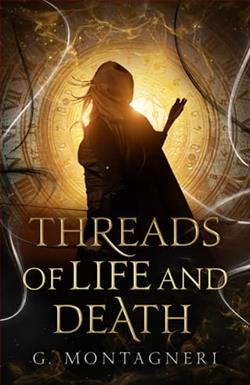
G. Montagneri's "Threads of Life and Death" is a compelling exploration of the human condition, set against the backdrop of a dystopian world plagued by an enigmatic illness. This novel weaves together elements of mystery, suspense, and emotional depth, creating a narrative that is both engaging and thought-provoking. The story is set in the town of Bryniard, where every six months, a siren heralds the death of another victim, claimed by a mysterious illness that strikes without warning. The premise alone sets the stage for a gripping tale, but it is Montagneri's execution that truly captivates.
The protagonist, Alissa, is a richly developed character whose journey is both heart-wrenching and inspiring. Unlike her fellow townspeople, Alissa harbors a secret ability to predict the next victim of the illness. This unique gift, or perhaps curse, places her in a moral quandary, especially when her own daughter is marked for death. Alissa's character is a study in resilience and determination, and Montagneri skillfully portrays her internal struggles and the lengths she will go to save her child. The emotional impact of Alissa's journey is profound, as readers are invited to ponder the ethical implications of her actions and the sacrifices she is willing to make.
Montagneri's writing style is both lyrical and precise, capturing the bleakness of Bryniard while also imbuing the narrative with moments of beauty and hope. The author's use of language is evocative, painting vivid images of a world teetering on the brink of despair. The pacing of the novel is expertly managed, with tension building steadily as Alissa races against time to save her daughter. The suspense is palpable, and Montagneri's ability to maintain this tension throughout the novel is commendable.
The themes explored in "Threads of Life and Death" are universal and resonate deeply with readers. At its core, the novel is an exploration of love, sacrifice, and the human spirit's capacity for hope in the face of insurmountable odds. The question of how far one would go to save a loved one is central to the narrative, and Montagneri delves into this theme with sensitivity and insight. The novel also raises questions about fate, free will, and the nature of suffering, inviting readers to reflect on their own beliefs and values.
In terms of genre, "Threads of Life and Death" can be likened to works by authors such as Margaret Atwood and Kazuo Ishiguro, who similarly explore dystopian themes with a focus on character development and emotional depth. Like Atwood's "The Handmaid's Tale" or Ishiguro's "Never Let Me Go," Montagneri's novel is not just a story about a dystopian society but a meditation on what it means to be human in a world that seems devoid of hope.
The emotional impact of "Threads of Life and Death" is heightened by Montagneri's ability to create characters that are both relatable and complex. Alissa's journey is one that many readers will find themselves emotionally invested in, and her struggles and triumphs are portrayed with authenticity and nuance. The supporting characters, too, are well-drawn, each contributing to the richness of the narrative and the world Montagneri has created.
Overall, "Threads of Life and Death" is a masterful work of fiction that will appeal to fans of dystopian literature and those who appreciate character-driven narratives. G. Montagneri has crafted a story that is both haunting and hopeful, a testament to the enduring power of love and the human spirit. The novel's exploration of complex themes, combined with its engaging plot and well-developed characters, makes it a standout in its genre. Readers will find themselves pondering the novel's themes long after the final page has been turned, a testament to Montagneri's skill as a storyteller.



