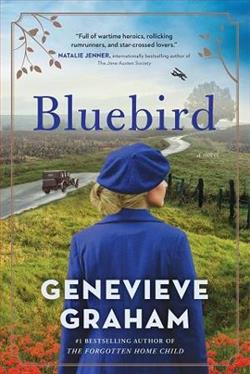
Genevieve Graham's novel, Bluebird, is a captivating exploration of love, resilience, and the enduring impact of history. Set against the backdrop of World War I and the Prohibition era, the book weaves together the lives of its characters with a deft touch, creating a narrative that is both engaging and thought-provoking. Graham, known for her historical fiction, once again demonstrates her ability to bring the past to life with vivid detail and emotional depth.
The novel opens with Cassie Simmons, a modern-day museum curator with a passion for uncovering the mysteries of the past. Her discovery of a cache of whisky labeled Bailey Brothers’ Best sets the stage for a journey into the history of the rumrunners who operated along the Detroit River during Prohibition. This intriguing premise immediately draws readers into a world where the past and present collide, creating a sense of mystery and anticipation.
At the heart of Bluebird is the story of Corporal Jeremiah Bailey and Adele Savard, whose lives intersect during the tumultuous years of World War I. Graham skillfully portrays the harrowing experiences of Jerry, a member of the 1st Canadian Tunnelling Company, as he navigates the dangerous task of planting mines beneath enemy trenches. The author’s meticulous research is evident in her detailed descriptions of the war's brutal realities, which add authenticity and depth to Jerry's character.
Adele Savard, a Canadian nursing sister, provides a poignant counterpoint to Jerry's wartime experiences. Nicknamed “Bluebirds” for their distinctive uniforms, these nurses played a crucial role in caring for wounded soldiers. Adele's compassion and strength shine through as she tends to Jerry in a Belgium field hospital, offering him solace and a reminder of home amidst the chaos of war. Their connection is tenderly developed, and Graham captures the nuances of their burgeoning relationship with sensitivity and grace.
As the narrative shifts to post-war Windsor, the novel delves into the challenges and opportunities presented by Prohibition. The return to civilian life is fraught with difficulties for both Jerry and Adele, as they grapple with the scars of their wartime experiences. Graham explores themes of healing and redemption, illustrating how the characters strive to rebuild their lives in a city transformed by the illicit trade of alcohol. The depiction of Windsor during this era is richly detailed, providing a vibrant backdrop for the unfolding drama.
One of the strengths of Bluebird is its exploration of the human spirit's resilience. Graham deftly portrays the characters' struggles and triumphs, highlighting their capacity for love and forgiveness. Jerry and Adele's journey is a testament to the power of hope and the enduring bonds that can emerge from shared adversity. Their story is both heartwarming and inspiring, resonating with readers long after the final page is turned.
Graham's writing style is both lyrical and accessible, striking a balance between historical detail and emotional resonance. Her prose is evocative, painting vivid images of the past while maintaining a narrative pace that keeps readers engaged. The dialogue is authentic and well-crafted, capturing the era's vernacular without feeling forced or contrived. This attention to detail enhances the novel's immersive quality, allowing readers to fully inhabit the world Graham has created.
In terms of character development, Graham excels in creating multi-dimensional figures who evolve over the course of the novel. Jerry and Adele are particularly well-drawn, with their personal growth and evolving relationship providing a compelling emotional core. Secondary characters are also given depth and complexity, enriching the narrative and adding layers to the story. This nuanced portrayal of character dynamics is reminiscent of the works of authors like Kate Morton and Kristin Hannah, who similarly excel in crafting emotionally resonant historical fiction.
The emotional impact of Bluebird is profound, as Graham explores themes of love, loss, and the search for identity. The novel invites readers to reflect on the ways in which history shapes our present and the enduring power of love to heal and transform. Graham's ability to evoke empathy and connection with her characters is a testament to her skill as a storyteller, making Bluebird a memorable and moving read.
In conclusion, Bluebird by Genevieve Graham is a luminous and compelling novel that offers a rich tapestry of history, romance, and human resilience. Its engaging narrative, well-developed characters, and evocative writing make it a standout in the genre of historical fiction. Readers who appreciate stories that blend historical intrigue with emotional depth will find much to admire in this beautifully crafted novel. Graham has once again proven her mastery of the genre, delivering a story that is both enlightening and deeply affecting.



