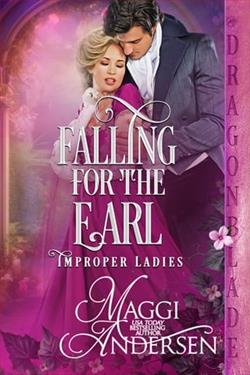
In "Falling for the Earl" by Maggi Andersen, readers are transported to the elegant yet precarious world of Regency-era England, where social standing and reputation are everything. This historical romance novel weaves a tale of love, deception, and societal pressures, capturing the essence of the period with both charm and intrigue. Andersen's narrative is a delightful exploration of whether love at first sight can truly overcome the obstacles of class and circumstance.
The story centers around Lucy Kershaw, a young woman who finds herself caught in a web of her own making. In a moment of desperation, she lies about her father's status, claiming he is the heir to a marquessate. This seemingly harmless fib spirals into a potential scandal, threatening her prospects for a successful Season in London. The blurb sets the stage for a classic romantic conflict, and Andersen delivers on this promise with a plot that is both engaging and emotionally resonant.
One of the major themes in "Falling for the Earl" is the tension between truth and deception. Lucy's lie is not born from malice but from a desire to protect her family's dignity. This theme is reminiscent of the works of Jane Austen, where characters often grapple with societal expectations and personal integrity. Andersen skillfully navigates this theme, allowing readers to empathize with Lucy's predicament while also understanding the potential consequences of her actions.
Character development is a strong suit in Andersen's writing. Lucy Kershaw is portrayed as a relatable and multidimensional protagonist. Her internal conflict and growth are depicted with nuance, making her journey both compelling and believable. As she navigates the complexities of London society, Lucy's interactions with the Earl of Dorchester reveal her vulnerability and strength. The Earl, too, is a well-crafted character, embodying the qualities of a classic romantic hero. His initial aloofness gives way to a deeper understanding of Lucy's situation, and their evolving relationship is a highlight of the novel.
The chemistry between Lucy and the Earl is palpable, and Andersen's ability to convey their growing attraction is one of the novel's strengths. Their interactions are laced with tension and tenderness, drawing readers into their world. The Earl's betrothal adds a layer of complexity to their relationship, creating a sense of urgency and longing that is both poignant and relatable. This dynamic is reminiscent of the romantic tension found in Georgette Heyer's works, where societal constraints often challenge the protagonists' desires.
Andersen's writing style is elegant and evocative, capturing the essence of the Regency period with vivid descriptions and authentic dialogue. Her attention to detail immerses readers in the world of ballrooms and drawing rooms, where every glance and gesture carries weight. The pacing of the novel is well-balanced, with moments of introspection interspersed with lively social scenes. Andersen's prose is both accessible and sophisticated, appealing to fans of historical romance who appreciate a well-crafted narrative.
Emotionally, "Falling for the Earl" resonates with themes of love, honor, and redemption. Lucy's journey is not just about finding love but also about discovering her own worth and the courage to face the consequences of her actions. The novel's emotional impact is heightened by Andersen's ability to create characters who feel real and relatable. Readers will find themselves rooting for Lucy and the Earl, hoping that love can indeed conquer the barriers that divide them.
In comparison to other works in the historical romance genre, "Falling for the Earl" stands out for its depth of character and exploration of societal themes. Andersen's novel is reminiscent of the works of Mary Balogh and Lisa Kleypas, authors known for their rich character development and intricate plots. Like these authors, Andersen balances romance with a keen understanding of the social dynamics of the time, creating a story that is both entertaining and thought-provoking.
Overall, "Falling for the Earl" by Maggi Andersen is a captivating addition to the historical romance genre. With its well-drawn characters, engaging plot, and emotional depth, the novel offers readers a satisfying and immersive experience. Andersen's exploration of love and deception in the context of Regency society is both timeless and timely, making this book a must-read for fans of the genre. Whether you're a long-time admirer of historical romance or new to the genre, "Falling for the Earl" promises a journey filled with heart and hope.



