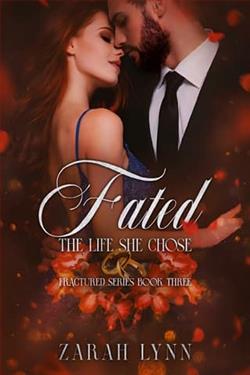
Zarah Lynn’s Fated: The Life She Chose is a compelling conclusion to a trilogy that has captivated readers with its raw and realistic portrayal of love, betrayal, and redemption. As the third book in the series, it continues Cecily’s journey, a character whose life has been a testament to resilience and the transformative power of love. This novel not only wraps up Cecily’s story but also delves deep into the themes of healing, choice, and the courage to embrace a second chance at happiness.
The narrative of Fated: The Life She Chose is driven by its profound exploration of personal growth and emotional recovery. Cecily, the protagonist, is a character who has endured significant betrayal and heartache. Her journey is not just about overcoming the past but about redefining her future. Lynn skillfully portrays Cecily’s internal struggle as she grapples with the ghosts of her past and the fear of opening herself up to love again. This theme of healing is intricately woven into the fabric of the story, making it both relatable and inspiring for readers who have faced similar challenges.
Character development is a standout feature in Lynn’s writing. Cecily is portrayed with depth and nuance, making her a character that readers can empathize with and root for. Her evolution from a woman defined by her past to one who dares to dream of a brighter future is both believable and uplifting. Alexander, the hero of the story, is not just a love interest but a catalyst for Cecily’s transformation. His unwavering support and determination to be a part of Cecily’s life add layers to his character, making him more than just a romantic figure. Lynn’s ability to create complex, multi-dimensional characters is reminiscent of authors like Jojo Moyes and Colleen Hoover, who excel in crafting emotionally rich narratives.
The writing style in Fated: The Life She Chose is both lyrical and poignant. Lynn’s prose is infused with emotion, capturing the intensity of Cecily’s journey with grace and sensitivity. The dialogue is sharp and authentic, reflecting the genuine connection between the characters. Lynn’s descriptive language paints vivid pictures of the emotional landscapes her characters navigate, drawing readers into the world she has created. This style is particularly effective in conveying the deep emotional impact of the story, ensuring that it resonates long after the final page is turned.
Emotionally, the book is a rollercoaster. Lynn does not shy away from exploring the darker aspects of love and betrayal, making the moments of joy and triumph all the more powerful. The emotional depth of the story is enhanced by its exploration of themes such as trust, forgiveness, and the courage to embrace vulnerability. These themes are universal, allowing readers to connect with Cecily’s journey on a personal level. The emotional impact of the book is further amplified by its realistic portrayal of the complexities of human relationships, a hallmark of Lynn’s storytelling.
In terms of genre, Fated: The Life She Chose fits comfortably within the realm of contemporary romance, yet it transcends the typical tropes associated with the genre. While it offers the promise of a happily ever after, it does so in a way that feels earned and authentic. The book’s exploration of second chances and the power of choice sets it apart from more conventional romance novels, offering readers a narrative that is both thought-provoking and deeply satisfying. Fans of authors like Nicholas Sparks and Kristin Hannah will find much to admire in Lynn’s approach to storytelling.
Overall, Fated: The Life She Chose by Zarah Lynn is a beautifully crafted conclusion to Cecily’s story. It is a testament to the resilience of the human spirit and the transformative power of love. With its well-developed characters, evocative writing style, and profound emotional impact, the book is a must-read for fans of contemporary romance and those seeking a story that resonates on a deeper level. Lynn has created a narrative that lingers in the mind, offering readers a poignant reminder that fate is not just something that happens to us, but something we have the power to embrace.



