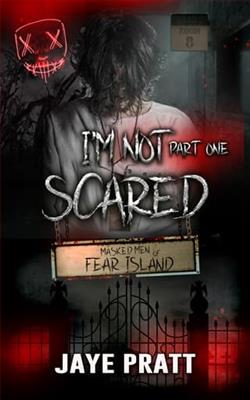
Jaye Pratt's "I'm Not Scared: Part One" is a thrilling foray into the psychological horror genre, where fear is not just an emotion but a tangible, omnipresent force. The novel is a gripping exploration of what it means to confront one's deepest fears, set against the backdrop of the ominously named Fear Island. Pratt masterfully crafts a narrative that is both suspenseful and introspective, inviting readers to question the nature of fear and the boundaries of courage.
The protagonist, whose voice is both sardonic and relatable, serves as the perfect conduit for this chilling tale. From the outset, we are introduced to a character who claims not to scare easily—a bold assertion that is immediately put to the test. This character's journey is one of self-discovery, as they navigate a world where the lines between reality and nightmare blur. Pratt's ability to delve into the psyche of the protagonist is reminiscent of Stephen King's character-driven narratives, where the internal struggles are as compelling as the external threats.
Character development is a standout feature of "I'm Not Scared: Part One." The protagonist is not a typical horror hero; they are flawed, cynical, and refreshingly human. Their interactions with the other characters, particularly the enigmatic man from the convenience store, add layers of complexity to the narrative. This man, with his morbid fascination with death by paper cuts, is a fascinating foil to the protagonist's skepticism. Their dynamic is charged with tension and intrigue, drawing readers deeper into the story.
Pratt's writing style is both evocative and immersive, capturing the eerie atmosphere of Fear Island with vivid detail. The island itself is a character, its menacing presence felt in every shadow and whispered threat. The author's use of descriptive language paints a picture of a place where danger lurks around every corner, reminiscent of the foreboding settings in Shirley Jackson's works. The prose is tight and well-paced, ensuring that the tension never wanes and the reader's attention is held captive from start to finish.
The emotional impact of "I'm Not Scared: Part One" is profound, as Pratt expertly taps into the primal fears that reside within us all. The novel challenges readers to confront their own fears, much like the protagonist must do. This exploration of fear is not just about the adrenaline rush of being chased by masked men or the terror of being buried alive; it is about the existential dread that comes from facing the unknown. Pratt's ability to evoke such a visceral response is a testament to her skill as a storyteller.
One of the novel's most compelling themes is the idea of safety and its deceptive nature. The protagonist's realization that every bad thing has happened in a "safe place" is a powerful commentary on the illusory nature of security. This theme is woven throughout the narrative, challenging characters and readers alike to reconsider what it means to feel safe. The juxtaposition of safety and danger is a recurring motif, adding depth to the story and prompting reflection long after the final page is turned.
In comparison to other works in the psychological horror genre, "I'm Not Scared: Part One" stands out for its unique blend of dark humor and genuine terror. Pratt's ability to infuse moments of levity amidst the horror is reminiscent of the works of Joe Hill, where the macabre and the mundane coexist seamlessly. This balance ensures that the novel is not only a thrilling read but also an engaging one, with characters that resonate and a plot that surprises at every turn.
Overall, "I'm Not Scared: Part One" by Jaye Pratt is a masterful addition to the psychological horror genre. It is a novel that challenges, thrills, and entertains in equal measure. With its well-developed characters, atmospheric setting, and thought-provoking themes, it is a must-read for fans of horror and psychological thrillers. Pratt's ability to craft a story that is both chilling and insightful is a testament to her prowess as an author, making this book a standout in its genre.



