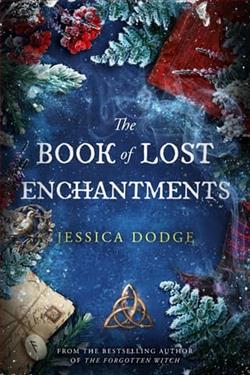
Jessica Dodge's novel, The Book of Lost Enchantments, is a captivating blend of historical fiction, romance, and magical realism that invites readers into a world where the past and present intertwine in unexpected ways. At the heart of the story is Nora Cameron, a character whose journey of self-discovery is both relatable and enchanting. Nora's life, initially depicted as mundane and predictable, takes a dramatic turn when she embarks on an adventure to Scotland, driven by a desire to break free from her routine existence.
The novel's setting in Scotland, with its rich history and mystical landscapes, serves as a perfect backdrop for the unfolding mystery. Dodge skillfully uses the setting to enhance the narrative, drawing readers into the atmospheric world of old bookstores, ancient relics, and snow-covered highlands. The imagery is vivid and evocative, painting a picture that is both romantic and haunting.
One of the major themes in The Book of Lost Enchantments is the exploration of family legacy and the secrets that bind generations. Nora's journey is catalyzed by her grandmother's photo album, a relic from the 1940s that connects her to a past she never knew existed. This theme of uncovering hidden truths is reminiscent of works by authors like Kate Morton, who similarly weave intricate tales of family history and mystery. Dodge's narrative is layered with suspense, as Nora unravels the secrets of her grandmother's past, leading to revelations that challenge her understanding of her own identity.
The character development in the novel is particularly noteworthy. Nora's transformation from a woman stuck in a rut to one who embraces the unknown is portrayed with authenticity and depth. Her interactions with Alistair, the surly journalist she finds herself stranded with, add a dynamic element to the story. Their relationship evolves from initial antagonism to a partnership forged in adversity, reminiscent of the classic romantic tension found in novels by authors like Diana Gabaldon. Alistair's character, with his own complexities and hidden depths, complements Nora's journey, and their evolving relationship adds a layer of emotional resonance to the narrative.
Dodge's writing style is both engaging and accessible, with a lyrical quality that enhances the magical elements of the story. The pacing is well-balanced, allowing readers to savor the unfolding mystery while maintaining a sense of urgency as the stakes rise. The inclusion of the red book, a mysterious artifact that seems to bridge time and reality, adds an element of magical realism that is both intriguing and thought-provoking. This aspect of the novel invites comparisons to works by authors like Susanna Clarke, where the boundaries between the real and the fantastical are artfully blurred.
The emotional impact of The Book of Lost Enchantments is profound, as it delves into themes of love, loss, and the enduring power of memory. Nora's journey is not just about solving a mystery but also about finding her place in a world that is larger and more complex than she ever imagined. The novel's conclusion, while avoiding spoilers, offers a satisfying resolution that ties together the various narrative threads, leaving readers with a sense of closure and reflection.
Overall, Jessica Dodge has crafted a novel that is both enchanting and thought-provoking, appealing to fans of historical fiction, romance, and magical realism. The Book of Lost Enchantments is a testament to the power of storytelling, where the past and present collide in a tale that is as timeless as it is contemporary. For readers seeking a book that combines mystery, romance, and a touch of magic, this novel is a compelling choice that promises to linger in the mind long after the final page is turned.



