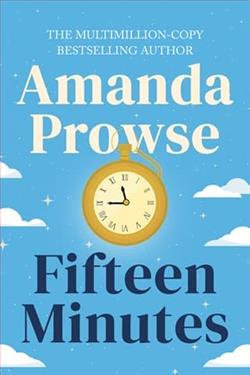
Amanda Prowse's novella, Fifteen Minutes, is a poignant exploration of time, loss, and the human desire for closure. The premise is both intriguing and universal, posing a question that resonates deeply: if given the chance, who would you spend an extra fifteen minutes with, and what would you say? This narrative is not just a story; it's an emotional journey that invites readers to reflect on their own lives and relationships.
The central theme of Fifteen Minutes revolves around the concept of time as a fluid and bendable entity. Prowse challenges the conventional perception of time as linear and unyielding, introducing the idea that there are gaps in time that can be manipulated. This imaginative premise serves as the foundation for a story that is as much about the past as it is about the present. By allowing characters to revisit moments with lost loved ones, Prowse taps into a universal longing for second chances and the opportunity to mend unresolved issues.
Character development is one of Prowse's strengths, and in Fifteen Minutes, she crafts characters that are relatable and deeply human. Each character's journey is unique, yet they all share a common thread of regret and yearning. The novella does not dwell on the fantastical elements of time travel but instead focuses on the emotional impact of these fifteen minutes. This choice allows for a more intimate and personal narrative, where the characters' emotions take center stage.
One of the most compelling aspects of the novella is its exploration of grief and the different ways people cope with loss. Prowse delves into the complexities of human emotion, portraying grief not just as sadness but as a multifaceted experience that includes anger, guilt, and even moments of joy. The characters' interactions during their fifteen-minute encounters are raw and authentic, capturing the essence of what it means to be human.
The novella's pacing is well-crafted, with each chapter building upon the last to create a crescendo of emotion. Prowse's writing is both lyrical and accessible, making it easy for readers to become immersed in the story. Her use of descriptive language paints vivid pictures of the characters' experiences, allowing readers to feel as though they are part of the narrative. This immersive quality is one of the novella's greatest strengths, as it encourages readers to reflect on their own lives and the people they hold dear.
In terms of overall impact, Fifteen Minutes is a powerful reminder of the importance of cherishing the time we have with our loved ones. It encourages readers to consider the words left unsaid and the actions left undone, urging them to seize the present moment. The novella's emotional depth and universal themes make it a story that lingers long after the last page is turned.
Comparatively, Fifteen Minutes shares thematic similarities with other works that explore the concept of time and loss, such as Mitch Albom's The Five People You Meet in Heaven and Audrey Niffenegger's The Time Traveler's Wife. Like Albom and Niffenegger, Prowse uses the fantastical element of time manipulation to delve into the human condition, examining how our past shapes our present and future. However, Prowse's focus on the brevity of fifteen minutes adds a unique urgency to the narrative, highlighting the fleeting nature of time and the preciousness of each moment.
In conclusion, Amanda Prowse's Fifteen Minutes is a beautifully crafted novella that explores the intricacies of time, loss, and human connection. Its emotional depth and relatable characters make it a compelling read for anyone who has ever wished for more time with a loved one. Prowse's ability to weave a narrative that is both imaginative and deeply human is a testament to her skill as a storyteller. Fifteen Minutes is not just a story about time; it is a meditation on life, love, and the enduring power of memory.



