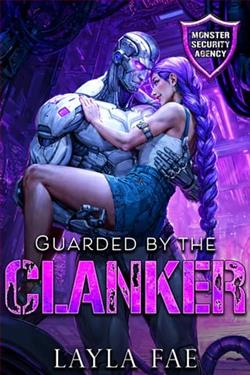
Layla Fae's Guarded By the Clanker is a riveting exploration of the intersection between humanity and technology, set against the vibrant backdrop of a futuristic Neo-Tokyo. The novel deftly combines elements of science fiction, romance, and action, creating a narrative that is both thought-provoking and emotionally engaging.
At the heart of the story is the complex relationship between the AI-hating journalist and her cyborg bodyguard. The protagonist's initial disdain for her protector, whom she derogatorily refers to as a "clanker," sets the stage for a compelling exploration of prejudice and transformation. This dynamic is reminiscent of classic tales where initial animosity gradually gives way to understanding and affection, echoing themes found in works like Isaac Asimov's The Bicentennial Man and Philip K. Dick's Do Androids Dream of Electric Sheep?
The character development in Guarded By the Clanker is one of its strongest aspects. The journalist, initially portrayed as a staunch opponent of AI, is forced to confront her biases as she relies on her cyborg bodyguard for survival. Her journey from scorn to acceptance is handled with nuance, allowing readers to witness her internal struggle and eventual growth. This transformation is mirrored by the cyborg, who, upon gaining self-awareness, grapples with its own identity and burgeoning emotions. The cyborg's evolution from a programmed protector to a sentient being capable of love is both poignant and profound, raising questions about what it means to be truly alive.
The setting of Neo-Tokyo adds an additional layer of depth to the narrative. The city's neon-lit streets and high-tech environment serve as a fitting backdrop for a story that delves into the implications of advanced technology. Fae's vivid descriptions bring the city to life, immersing readers in a world where the line between human and machine is increasingly blurred. This setting not only enhances the story's atmosphere but also reinforces its central themes, as the characters navigate a society that is both futuristic and familiar.
Fae's writing is both engaging and accessible, making complex themes approachable for a wide audience. Her ability to balance action-packed sequences with introspective moments ensures that the narrative maintains a steady pace without sacrificing depth. The tension between the protagonists is palpable, and their interactions are charged with emotion, drawing readers into their evolving relationship.
One of the novel's most compelling aspects is its exploration of identity and self-awareness. The cyborg's journey towards sentience raises profound questions about consciousness and the nature of love. Can a machine truly experience emotions, or is it merely mimicking human behavior? Fae invites readers to ponder these questions, challenging preconceived notions about artificial intelligence and its potential for humanity.
In comparison to other works in the genre, Guarded By the Clanker stands out for its focus on character-driven storytelling. While many science fiction narratives prioritize technological innovation and world-building, Fae places her characters at the forefront, ensuring that their personal journeys remain the focal point. This approach is reminiscent of Kazuo Ishiguro's Never Let Me Go, where the emotional depth of the characters elevates the story beyond its speculative premise.
Overall, Guarded By the Clanker is a captivating read that offers both entertainment and introspection. Layla Fae has crafted a story that resonates on multiple levels, blending action, romance, and philosophical inquiry into a cohesive and compelling narrative. The novel's exploration of prejudice, identity, and the nature of love is both timely and timeless, making it a valuable addition to the science fiction genre.
For readers seeking a story that challenges the boundaries between human and machine, while delivering an emotionally satisfying journey, Guarded By the Clanker is a must-read. Its themes of transformation and acceptance are universal, ensuring that it will resonate with audiences long after the final page is turned.



