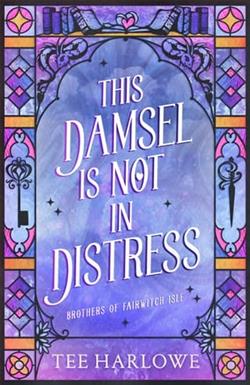
Tee Harlowe's This Damsel Is Not in Distress is a refreshing take on the classic fairy tale narrative, subverting traditional tropes with a modern twist that is both engaging and thought-provoking. At its core, the novel is a story of empowerment, self-discovery, and the complexities of love, set against a backdrop of magic and intrigue.
The protagonist, Niamh Merridon, is a character that readers will find both relatable and inspiring. Unlike the typical damsel in distress, Niamh is a woman of agency and determination. Her journey from a fleeing refugee to a potential queen is marked by her resilience and wit. Harlowe crafts Niamh with depth, allowing her to be vulnerable yet strong, a combination that makes her both realistic and admirable. Her initial reluctance to embrace her destiny as a queen is not just a plot device but a reflection of her internal struggle with identity and purpose.
One of the most compelling aspects of the novel is the dynamic between Niamh and Rafe “the Wolfe” Wolfgang. Rafe, the grumpy yet endearing bodyguard, serves as both a foil and a complement to Niamh. Their relationship is a slow burn, filled with tension and unspoken emotions. Harlowe skillfully develops their connection, allowing it to evolve naturally without resorting to clichéd romantic tropes. The chemistry between them is palpable, and their interactions are laced with humor and genuine affection. This relationship challenges the traditional power dynamics often seen in fantasy romances, presenting a partnership built on mutual respect and understanding.
The sentient castle is another standout element of the story. It is not merely a setting but a character in its own right, with its shifting rooms and mysterious secrets. The castle's unpredictability adds an element of suspense and intrigue, keeping readers on their toes as they, alongside Niamh, attempt to unravel its mysteries. The concept of the castle presenting a key to Niamh as a prerequisite for her queenship is a clever metaphor for self-discovery and acceptance. It suggests that true leadership and power come from understanding oneself and one's surroundings.
Harlowe's writing is both vivid and evocative, painting a world that is rich in detail and imagination. The magical elements are seamlessly woven into the narrative, enhancing the story without overshadowing the characters' personal journeys. The themes of the novel—courage, identity, and love—are universal, yet Harlowe presents them in a way that feels fresh and relevant. The story challenges the notion of destiny and questions the roles we are expected to play, encouraging readers to forge their own paths.
In comparison to other works in the fantasy genre, This Damsel Is Not in Distress stands out for its feminist undertones and character-driven plot. It shares similarities with Naomi Novik's Uprooted and Sarah J. Maas's A Court of Thorns and Roses series, both of which feature strong female protagonists and intricate world-building. However, Harlowe's novel distinguishes itself by focusing more on the internal growth of its characters rather than external conflicts. The emphasis on personal empowerment and the subversion of traditional gender roles make it a significant contribution to the genre.
Overall, This Damsel Is Not in Distress is a captivating read that will appeal to fans of fantasy and romance alike. Tee Harlowe has crafted a story that is both entertaining and meaningful, with characters that linger in the mind long after the final page is turned. It is a testament to the power of storytelling and the enduring appeal of fairy tales reimagined for a modern audience. Whether you are a longtime fan of the genre or a newcomer, this novel is sure to enchant and inspire.



