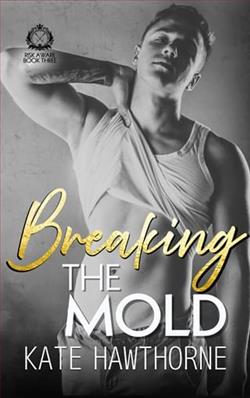
Kate Hawthorne's Breaking the Mold is a poignant exploration of love, loss, and self-discovery, set against the vibrant backdrop of a tattoo parlor and the intimate world of Club Rapture. The novel deftly navigates the complexities of grief and the courage it takes to open one's heart again, all while weaving a compelling narrative that is both tender and electrifying.
At the heart of the story is Riggs Ember, a tattoo artist who is slowly emerging from the shadow of his husband's untimely death. Riggs is a character defined by resilience and a quiet strength, and Hawthorne does an excellent job of portraying his journey through grief. The tattoo shop, Ink and Ember, serves as a metaphor for Riggs' life—it's a place of transformation and healing, not just for his clients, but for himself as well. The expansion of his shop mirrors his own personal growth, as he learns to let go of the past and embrace the possibility of new beginnings.
Enter Smith Covington, a young man eager to break free from the expectations of his family. Smith's decision to get a tattoo is a bold statement of independence, a rebellion against the constraints that have defined his life. His character is a refreshing blend of innocence and determination, and his interactions with Riggs are charged with a palpable chemistry that is both endearing and intense. Hawthorne captures the essence of their relationship beautifully, highlighting the push and pull of desire and the fear of vulnerability.
The dynamic between Riggs and Smith is central to the novel's emotional impact. Their relationship is a dance of contrasts—Riggs' experience and Smith's naiveté, Riggs' grief and Smith's youthful exuberance. Yet, it is precisely these differences that make their connection so compelling. Hawthorne skillfully explores the theme of healing through love, illustrating how two broken individuals can find solace and strength in each other. The author does not shy away from the complexities of their relationship, addressing the challenges posed by their age difference and the lingering presence of Riggs' deceased husband.
One of the novel's strengths is its nuanced portrayal of grief and the process of moving forward. Riggs' journey is not linear; it is fraught with setbacks and moments of doubt. Hawthorne handles these moments with sensitivity and authenticity, allowing readers to empathize with Riggs' struggle. The presence of Riggs' late husband is a constant undercurrent in the story, a reminder of the love that was lost and the guilt that accompanies the desire to love again. This aspect of the narrative adds depth to Riggs' character and enriches the overall emotional landscape of the book.
Smith's character arc is equally compelling, as he learns to assert his own identity and pursue his desires. His interactions with his brothers provide insight into the familial pressures he faces, and Hawthorne effectively captures the tension between familial expectations and personal aspirations. Smith's journey is one of self-discovery, and his relationship with Riggs serves as a catalyst for his growth. The novel celebrates the courage it takes to defy societal norms and follow one's heart, a theme that resonates throughout the story.
Hawthorne's writing is both evocative and engaging, drawing readers into the world of Ink and Ember and the intimate moments shared between Riggs and Smith. The author's attention to detail is evident in the vivid descriptions of the tattooing process, which serve as a metaphor for the transformative power of love and healing. The scenes set in Club Rapture are equally vivid, capturing the raw energy and passion that define Riggs and Smith's relationship.
In comparison to other works in the genre, Breaking the Mold stands out for its authentic portrayal of grief and the complexities of love. Fans of authors like Roan Parrish and Annabeth Albert will appreciate Hawthorne's ability to blend romance with deeper emotional themes. The novel's exploration of identity and self-acceptance is reminiscent of Parrish's work, while the focus on character-driven storytelling aligns with Albert's style.
Overall, Breaking the Mold is a beautifully crafted novel that offers a heartfelt exploration of love, loss, and the courage to embrace new beginnings. Hawthorne's characters are richly developed, and their journey is one that will resonate with readers long after the final page is turned. The novel is a testament to the healing power of love and the strength it takes to break free from the past and forge a new path forward.
For readers seeking a romance that delves into the intricacies of human emotion and the transformative power of love, Breaking the Mold is a must-read. Hawthorne has crafted a story that is both tender and powerful, a testament to the resilience of the human spirit and the enduring nature of love.



