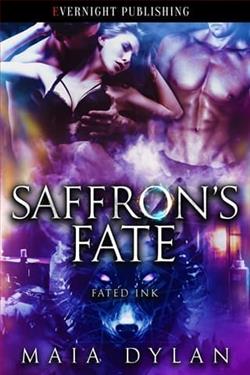
Maia Dylan’s Saffron's Fate is a compelling addition to the realm of paranormal romance, weaving together themes of sacrifice, love, and destiny with a deft hand. At its core, the novel explores the enduring power of love and the lengths one will go to protect those they cherish. Dylan's narrative is both intricate and engaging, drawing readers into a world where magic and reality intertwine seamlessly.
The protagonist, Saffron Walsh, is a character of remarkable depth and complexity. Her journey is one of resilience and determination, having paid the ultimate price two centuries ago to save her coven. The novel opens with Saffron having walked alone for centuries, a poignant reminder of the sacrifices she has made. Her character is a testament to the strength of the human (or, in this case, witch) spirit, and Dylan does an exceptional job of portraying her internal struggles and growth.
One of the most compelling aspects of Saffron's Fate is the dynamic between Saffron and her mates, Nolan and Isaac. Their bond is not only a central element of the plot but also a driving force behind Saffron’s actions. The wolves, bound to her soul, are portrayed with a fierce loyalty and devotion that adds layers to the narrative. Dylan’s ability to craft such rich, multi-dimensional characters is commendable, and the chemistry between the trio is palpable, making their interactions both heartwarming and intense.
The introduction of Adrian Veynar as the antagonist adds a thrilling edge to the story. His desire to obtain the ancient talisman and complete the curse to eradicate shifters introduces a high-stakes conflict that keeps readers on the edge of their seats. Veynar’s character is well-developed, embodying the archetype of a warlock with a god complex, yet Dylan ensures he is more than just a one-dimensional villain. His motivations, while dark, are intricately tied to the novel’s themes of power and control.
The theme of sacrifice is woven throughout the narrative, with Saffron’s past and present actions underscoring the cost of love and duty. The question of whether the Moon Goddess will demand another sacrifice from Saffron adds a layer of tension and uncertainty, compelling readers to ponder the true cost of destiny. Dylan’s exploration of this theme is both poignant and thought-provoking, inviting readers to reflect on their own definitions of sacrifice and love.
In terms of world-building, Dylan excels at creating a vivid and immersive setting. The concept of Fated Ink as ground zero in the battle between darkness and destiny is both imaginative and symbolic. The setting serves as a backdrop for the unfolding drama, enhancing the narrative’s tension and urgency. Dylan’s attention to detail in crafting this world is evident, and her ability to blend elements of fantasy with reality is seamless.
Comparatively, Saffron's Fate shares thematic similarities with other works in the paranormal romance genre, such as Nalini Singh’s Psy-Changeling series or Patricia Briggs’ Mercy Thompson series. Like Singh and Briggs, Dylan explores the complexities of love and loyalty within a supernatural context, yet she brings her unique voice and perspective to the genre. Her focus on the intricacies of fate and the consequences of past actions sets her work apart, offering readers a fresh take on familiar themes.
Overall, Saffron's Fate is a captivating read that will appeal to fans of paranormal romance and fantasy alike. Maia Dylan’s skillful storytelling and rich character development create a narrative that is both emotionally resonant and thrilling. The novel’s exploration of love, sacrifice, and destiny is both timeless and timely, offering readers a story that is as thought-provoking as it is entertaining.
For those seeking a novel that combines romance, action, and a touch of the supernatural, Saffron's Fate is a must-read. Dylan’s ability to craft a story that is both engaging and meaningful is a testament to her talent as a writer, and this book is sure to leave a lasting impression on its readers.



