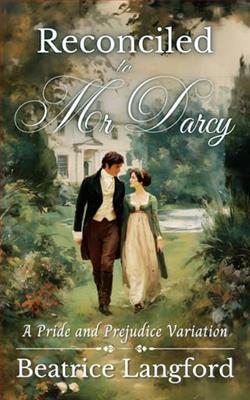
Beatrice Langford's Reconciled to Mr Darcy offers a fresh and intriguing twist on the beloved characters from Jane Austen's Pride and Prejudice. This novel explores the "forced to marry" trope with a unique perspective, where the circumstances leading to the union of Elizabeth Bennet and Fitzwilliam Darcy are both unexpected and compelling. Langford's narrative is a delightful blend of romance, drama, and character exploration, making it a must-read for fans of Austen-inspired fiction.
At the heart of the story is the unexpected marriage between Elizabeth and Darcy, which is precipitated by a scandal involving Georgiana Darcy and the notorious George Wickham. Langford skillfully crafts a scenario that feels both plausible and engaging, drawing readers into a world where societal expectations and personal honor dictate the actions of the characters. The premise of Elizabeth marrying a stranger for the sake of her family's reputation is a bold departure from her desire to marry for love, yet it is handled with sensitivity and depth.
One of the most striking aspects of Reconciled to Mr Darcy is the development of the relationship between Elizabeth and Darcy. Unlike many other adaptations where misunderstandings and miscommunications drive the plot, Langford's Darcy does not blame Elizabeth for their compromised situation. Instead, both characters approach their marriage with a sense of duty and a willingness to make the best of their circumstances. This mature and respectful foundation allows admiration and trust to blossom naturally between them, creating a refreshing dynamic that sets this novel apart from others in the genre.
Langford's portrayal of Elizabeth is particularly noteworthy. She remains true to Austen's original character—intelligent, witty, and strong-willed—while also showcasing her adaptability and resilience in the face of unexpected challenges. Elizabeth's journey from reluctant bride to a woman who finds contentment and affection in her marriage is beautifully rendered. Her interactions with the inhabitants of Pemberley, including the formidable Lady Catherine, are both entertaining and insightful, highlighting her ability to navigate complex social dynamics with grace and humor.
Darcy, too, is given a nuanced portrayal. Langford delves into his internal struggles, capturing his sense of responsibility and his desire to protect those he loves. His initial turmoil over Georgiana's elopement and his subsequent determination to honor his commitment to Elizabeth add layers to his character. The gradual softening of his demeanor as he grows closer to Elizabeth is a testament to Langford's skill in character development, making Darcy a sympathetic and relatable figure.
The novel also excels in its exploration of themes such as duty, honor, and the complexities of familial relationships. The repercussions of Georgiana's actions serve as a catalyst for much of the plot, and Langford deftly examines the impact of societal expectations on individual choices. The tension between personal desires and social obligations is a recurring motif, and the author handles it with a deft touch, ensuring that the story remains engaging and thought-provoking.
Langford's writing style is both elegant and accessible, capturing the essence of Austen's prose while infusing it with her own voice. The dialogue is sharp and witty, and the descriptions of Pemberley and its surroundings are vivid and evocative. The pacing of the novel is well-balanced, with moments of introspection interspersed with scenes of tension and drama, keeping readers invested in the characters' journeys.
In comparison to other Austen-inspired works, Reconciled to Mr Darcy stands out for its innovative approach to the "forced to marry" trope. While many adaptations focus on misunderstandings and conflicts, Langford's novel emphasizes mutual respect and the gradual development of love and desire. This approach not only provides a fresh perspective but also allows for a deeper exploration of the characters' emotional landscapes.
Moreover, the novel's handling of George Wickham as a particularly villainous character adds an element of intrigue and suspense. Wickham's actions have far-reaching consequences, and his presence looms large over the narrative, creating tension and driving the plot forward. Langford's portrayal of Wickham as a genuine threat rather than a mere nuisance adds depth to the story and heightens the stakes for the protagonists.
In conclusion, Reconciled to Mr Darcy is a captivating and well-crafted novel that offers a fresh take on a classic story. Beatrice Langford's skillful character development, engaging plot, and exploration of timeless themes make this book a standout addition to the world of Austen-inspired fiction. Readers who appreciate a thoughtful and nuanced approach to romance will find much to enjoy in this delightful tale of love, duty, and reconciliation.
Whether you are a longtime fan of Pride and Prejudice or new to the world of Austen adaptations, Reconciled to Mr Darcy is sure to enchant and entertain, leaving you with a renewed appreciation for the enduring appeal of Elizabeth and Darcy's story.



