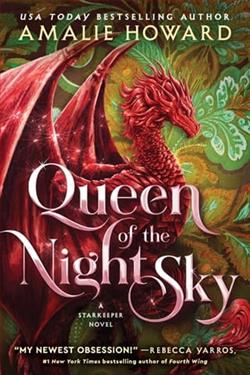
Amalie Howard's Queen of the Night is a spellbinding conclusion to the romantasy duology that began with The Starlight Heir. This sequel not only builds upon the rich tapestry of magic and intrigue established in the first book but also elevates the stakes to a cosmic level, weaving a narrative that is both intimate and epic. The novel is a testament to Howard's ability to craft a world that feels both fantastical and grounded, filled with characters that resonate with authenticity and complexity.
At the heart of Queen of the Night is Sura, a protagonist who embodies the struggle between duty and desire, power and vulnerability. Her journey is one of self-discovery and empowerment, as she grapples with the corruption of her once-beloved King Roshan and the burgeoning realization of her own formidable abilities. The transformation of Roshan from a cherished friend to a potential adversary adds a layer of emotional depth to the narrative, challenging Sura to confront the darker aspects of love and loyalty.
The introduction of the enigmatic Night King, Darrius, adds a tantalizing twist to the story. His presence is not only a catalyst for Sura's awakening but also a mirror to her own internal conflicts. The revelation that Darrius is the man from her dreams and possibly her soul-fated mate introduces a compelling dynamic that is both romantic and fraught with tension. Howard deftly navigates the complexities of this relationship, creating a "why-choose" scenario that is both refreshing and thought-provoking.
One of the most striking aspects of the novel is its exploration of power and its consequences. Sura's journey as the Starkeeper is fraught with challenges that test her resolve and morality. The prophecy that unfolds throughout the narrative serves as a reminder of the weight of destiny and the sacrifices it demands. Howard's portrayal of power as a double-edged sword is nuanced, highlighting the seductive nature of darkness and the resilience required to resist its allure.
The world-building in Queen of the Night is nothing short of breathtaking. Howard's depiction of Everlea, with its magical landscapes and mythical creatures like the azdaha, is vivid and immersive. The contrast between the familiar Kingdom of Oryndhr and the mysterious realm of Everlea underscores the theme of discovery and the unknown. The awakening of the old gods and the looming war between kingdoms add layers of tension and urgency, propelling the narrative forward with relentless momentum.
Howard's prose is lush and evocative, capturing the beauty and danger of the world she has created. Her ability to balance action with introspection ensures that the story remains engaging without sacrificing depth. The pacing is expertly managed, with each twist and revelation building towards a climactic conclusion that is both satisfying and poignant.
In comparison to other romantasy works, such as Sarah J. Maas's A Court of Thorns and Roses series or Jennifer L. Armentrout's Blood and Ash series, Howard's duology stands out for its unique blend of romance, mythology, and moral complexity. While it shares the genre's hallmark elements of epic battles and star-crossed lovers, Queen of the Night distinguishes itself through its exploration of choice and consequence, as well as its commitment to character-driven storytelling.
Overall, Queen of the Night is a triumphant conclusion to a captivating series. It is a novel that will leave readers breathless, not only for its thrilling plot and romantic entanglements but also for its profound exploration of identity and destiny. Amalie Howard has crafted a tale that is as enchanting as it is thought-provoking, ensuring that her readers will be eagerly anticipating her next literary endeavor.
For fans of romantasy, Queen of the Night is a must-read, offering a rich and rewarding experience that lingers long after the final page is turned. It is a testament to the power of storytelling to transport us to worlds beyond our own, where magic is real, and the stars themselves hold sway over the fate of kingdoms.



