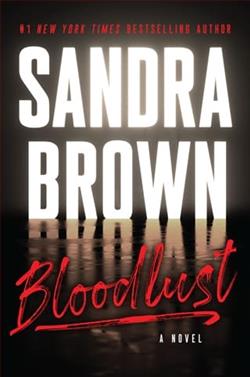
Sandra Brown's Bloodlust is a gripping exploration of vengeance, grief, and the complexities of human relationships, wrapped in a thrilling narrative that keeps readers on the edge of their seats. The novel delves deep into the psyche of its protagonist, Detective Mitch Haskell, whose life has been irrevocably altered by the brutal murder of his wife. Brown masterfully crafts a tale that is as much about the pursuit of justice as it is about the personal demons that haunt us.
At the heart of Bloodlust is Mitch Haskell, a character whose journey is both tragic and compelling. Brown paints Mitch as a man consumed by his quest for revenge, a theme that resonates throughout the novel. His obsession with bringing his wife's killers to justice is palpable, and Brown does an excellent job of portraying the toll this takes on his mental health and personal relationships. Mitch's downward spiral into excessive drinking and his strained relationships with those around him, particularly with his former best friend and boss, Detective John Bowie, add layers of complexity to his character. This portrayal of a man on the brink of self-destruction is both realistic and heart-wrenching.
The introduction of Dr. Dylan Reede adds another dimension to the story. As Mitch's therapist, Dylan is tasked with helping him navigate his grief and anger. However, Brown skillfully blurs the lines between professional and personal boundaries, creating a tension-filled dynamic between Mitch and Dylan. Dylan's own tragic past is subtly woven into the narrative, making her a well-rounded and relatable character. Her empathy and determination to help Mitch, despite the risks to her own emotional well-being, highlight the novel's exploration of healing and redemption.
The antagonists, Roland Malone and the enigmatic Oz, are formidable foes that add a sense of urgency and danger to the plot. Malone's dual life as a restaurant owner and a ruthless executioner is chilling, and Brown's depiction of his character is both menacing and intriguing. The mystery surrounding Oz, the faceless kingpin, adds an element of suspense that keeps readers guessing. The revelation that Dylan might hold the key to bringing them to justice raises the stakes and intertwines her fate with Mitch's, further complicating their relationship.
Brown's writing is taut and engaging, with a narrative pace that never falters. The dialogue is sharp and often laced with Mitch's wisecracking humor, providing moments of levity amidst the tension. The author's ability to balance action with emotional depth is commendable, making Bloodlust a well-rounded thriller that appeals to a wide audience.
One of the novel's standout themes is the exploration of grief and its impact on the human psyche. Mitch's journey is a testament to the destructive power of unresolved grief and the lengths one might go to in the name of justice. Brown's portrayal of Mitch's internal struggle is both poignant and thought-provoking, inviting readers to reflect on their own experiences with loss and healing.
In comparison to other works in the genre, Bloodlust stands out for its intricate character development and emotional depth. While it shares similarities with novels like Michael Connelly's The Lincoln Lawyer or Lee Child's Jack Reacher series, Brown's focus on the psychological aspects of her characters sets it apart. The novel's exploration of therapy and the therapeutic relationship is a unique angle that adds richness to the narrative.
Overall, Bloodlust is a compelling read that combines the best elements of a thriller with a profound exploration of human emotions. Sandra Brown has crafted a story that is both entertaining and thought-provoking, with characters that linger in the mind long after the final page is turned. For readers seeking a novel that offers more than just suspense, Bloodlust delivers an unforgettable experience that is sure to resonate on multiple levels.



