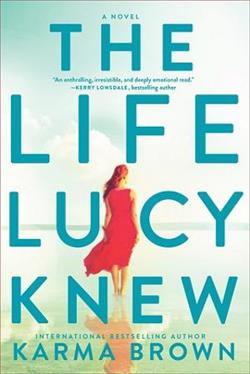
Karma Brown's The Life Lucy Knew is a compelling exploration of identity, memory, and the intricate web of relationships that define our lives. At its core, the novel is a poignant examination of what happens when the foundation of one's reality is suddenly and irrevocably altered. Brown masterfully crafts a narrative that is both heart-wrenching and thought-provoking, inviting readers to ponder the nature of memory and the essence of self.
The story begins with a dramatic and disorienting event: Lucy Sparks awakens in a hospital bed, only to discover that the life she remembers in vivid detail is not her reality. The man she believes to be her husband is, in fact, an ex-boyfriend with whom she hasn't spoken in years. This revelation sets the stage for a journey of self-discovery and emotional turmoil, as Lucy grapples with the concept of "false memories"—a psychological phenomenon where the mind creates vivid, yet inaccurate, recollections to fill in the gaps left by trauma.
Brown's portrayal of Lucy's struggle is both empathetic and nuanced. The author delves deep into the psychological impact of Lucy's condition, capturing the confusion and heartache that accompany the realization that her cherished memories are fabrications. The term "honest lying," used by Lucy's psychologist, encapsulates the paradoxical nature of her experience. These false memories feel incredibly real to Lucy, blurring the line between reality and illusion. This theme of blurred realities is a central motif in the novel, challenging readers to consider the reliability of their own perceptions and memories.
Character development is a standout feature of The Life Lucy Knew. Lucy is a well-rounded and relatable protagonist, her journey resonating with anyone who has ever questioned their sense of self. Brown skillfully portrays Lucy's internal conflict, as she navigates the chasm between the life she remembers and the life she is living. Her interactions with other characters, particularly her devoted boyfriend Matt, are fraught with tension and poignancy. Matt, who is relegated to the role of a mere work colleague in Lucy's altered memories, is a testament to the novel's exploration of love and loyalty. His patience and understanding in the face of Lucy's confusion add depth to his character and highlight the complexities of their relationship.
The supporting cast, including Lucy's family and friends, are equally well-drawn, each contributing to the novel's exploration of identity and memory. Their reactions to Lucy's condition range from disbelief to empathy, reflecting the varied ways people cope with unexpected changes in their loved ones. Brown's ability to capture these diverse perspectives adds richness to the narrative, making it a multifaceted exploration of human relationships.
One of the novel's most compelling aspects is its exploration of choice and agency. As Lucy confronts the discrepancies between her memories and reality, she is faced with a difficult decision: which life does she want to lead, and who does she want to be? This theme of choice is intricately woven into the narrative, prompting readers to consider the power of agency in shaping one's identity. Brown's portrayal of Lucy's journey towards self-discovery is both empowering and inspiring, offering a message of hope and resilience in the face of adversity.
In terms of literary style, Brown's writing is both evocative and accessible. Her prose is imbued with emotional depth, capturing the nuances of Lucy's internal struggle with sensitivity and grace. The pacing of the novel is well-balanced, with moments of introspection interspersed with scenes of tension and drama. This dynamic narrative structure keeps readers engaged, while also allowing for moments of reflection on the novel's central themes.
Comparatively, The Life Lucy Knew shares thematic similarities with other works that explore memory and identity, such as Before I Go to Sleep by S.J. Watson and What Alice Forgot by Liane Moriarty. Like Watson's novel, Brown's story delves into the psychological impact of memory loss, while Moriarty's work similarly examines the concept of identity through the lens of altered memories. However, Brown's novel distinguishes itself through its focus on the emotional and relational aspects of Lucy's journey, offering a unique perspective on the interplay between memory and identity.
Overall, The Life Lucy Knew is a thought-provoking and emotionally resonant novel that invites readers to reflect on the nature of memory and the essence of self. Karma Brown's skillful storytelling and nuanced character development create a rich and engaging narrative that lingers long after the final page is turned. For readers seeking a novel that combines psychological depth with emotional insight, The Life Lucy Knew is a must-read.



