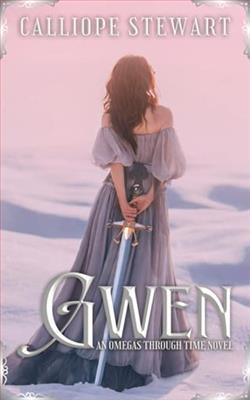
Calliope Stewart's Gwen is a fascinating blend of time-travel romance and Arthurian legend, offering a fresh take on the well-trodden tales of Camelot. The novel deftly intertwines the modern world with the mythic past, creating a narrative that is both engaging and thought-provoking. At its core, Gwen explores themes of destiny, belonging, and the transformative power of love, all while challenging traditional gender roles and societal norms.
The protagonist, Guinevere “Gwen” Ramos, is a character that many readers will find relatable. Her journey begins in contemporary London, where she is grappling with the loss of her mother and the subsequent emotional isolation. Stewart paints a vivid picture of Gwen's life, capturing the monotony and loneliness that often accompany grief. This portrayal is both poignant and realistic, setting the stage for Gwen's eventual transformation.
Gwen's character development is one of the novel's standout elements. Initially, she is portrayed as a woman who has retreated from the world, finding solace only in her work and routine. However, her unexpected journey to the 5th century serves as a catalyst for change. As Gwen navigates the unfamiliar world of Camelot, she is forced to confront her fears and insecurities, ultimately emerging as a stronger, more self-assured individual. This transformation is gradual and believable, making Gwen's eventual acceptance of her role in the Arthurian legend all the more satisfying.
The novel's setting in the late 5th century is richly detailed, bringing the world of Camelot to life in a way that feels both authentic and magical. Stewart's depiction of the era is immersive, with vivid descriptions of the landscape, customs, and social dynamics. The contrast between Gwen's modern sensibilities and the ancient world she finds herself in adds an intriguing layer to the narrative, highlighting the timeless nature of certain human experiences and emotions.
One of the most intriguing aspects of Gwen is its exploration of pack dynamics and the concept of shared relationships. The idea that Gwen is destined to be with not just Arthur, but also his closest allies—Gawain, Bedivere, and Lancelot—challenges conventional notions of romance and partnership. This polyamorous element is handled with sensitivity and depth, allowing for a nuanced exploration of love and loyalty. Stewart uses this dynamic to delve into themes of trust, communication, and the complexities of human relationships, offering a fresh perspective on the Arthurian legend.
The supporting characters are well-developed, each bringing their own unique qualities to the story. Arthur is portrayed as a noble and determined leader, yet he is also shown to be vulnerable and introspective. His relationship with Gwen is central to the narrative, and their interactions are filled with tension and chemistry. Merlin, as the wise and enigmatic wizard, serves as both a guide and a catalyst for the unfolding events. The camaraderie and loyalty among Arthur's allies add depth to the story, highlighting the importance of friendship and unity in the face of adversity.
Stewart's writing is both lyrical and engaging, with a narrative style that draws readers in from the very first page. The dialogue is sharp and witty, capturing the essence of each character and their relationships. The pacing is well-balanced, with moments of introspection and character development interspersed with action and intrigue. This ensures that the story remains compelling throughout, keeping readers invested in Gwen's journey and the fate of Camelot.
In comparison to other works that blend modern elements with Arthurian legend, such as Marion Zimmer Bradley's The Mists of Avalon or T.H. White's The Once and Future King, Gwen stands out for its unique approach to character dynamics and its focus on personal growth. While Bradley and White offer more traditional retellings, Stewart's novel challenges readers to reconsider the roles and relationships within these legendary tales, making it a refreshing addition to the genre.
Overall, Gwen is a captivating and thought-provoking novel that will appeal to fans of romance, fantasy, and historical fiction alike. Its exploration of love, destiny, and self-discovery is both timeless and relevant, offering readers a chance to reflect on their own lives and relationships. Calliope Stewart has crafted a story that is both entertaining and meaningful, leaving a lasting impact long after the final page is turned.



