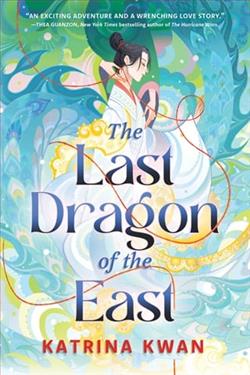
Katrina Kwan’s debut novel, The Last Dragon of the East, is a mesmerizing blend of myth, magic, and adventure that draws readers into a world where ancient Chinese legends come to life. This fantasy tale, inspired by the rich tapestry of dragon lore and the mystical concept of fate, offers a fresh and engaging narrative that will captivate fans of authors like Sue Lynn Tan and Hannah Whitten.
At the heart of the story is Sai, a relatable and endearing protagonist who embodies the struggles of balancing familial responsibilities with personal desires. At twenty-five, Sai’s life revolves around managing his family’s teahouse and caring for his ailing mother. His life is marked by a sense of duty and routine, yet beneath this veneer lies a unique gift: the ability to see the red threads of fate that bind soulmates. This ability, while fascinating, is tinged with irony as Sai’s own thread is gray and fraying, symbolizing his reluctance to pursue his destiny.
The novel’s inciting incident occurs when Sai acquires a pair of dragon scales, purported to be a miracle cure for his mother’s illness. This moment serves as a catalyst, propelling Sai into a world of intrigue and danger. The scales, initially dismissed as a scam, prove their worth, drawing the attention of a ruthless emperor and setting Sai on a quest to find a dragon believed to be extinct. This journey is not just a physical adventure but a transformative experience for Sai, challenging his perceptions and forcing him to confront his fears and desires.
The theme of fate is intricately woven throughout the narrative, exploring the tension between destiny and choice. Sai’s ability to see the threads of fate raises questions about the nature of love and destiny. Are soulmates truly bound by fate, or do they have the agency to forge their own paths? Kwan deftly navigates these philosophical questions, providing no easy answers but encouraging readers to ponder the complexities of human connections.
Character development is a standout feature of Kwan’s storytelling. Sai’s evolution from a reluctant hero to a determined adventurer is portrayed with nuance and depth. His internal struggles and growth are mirrored by the vibrant cast of supporting characters, each contributing to the richness of the narrative. The interactions between Sai and these characters, particularly his mother and the enigmatic figures he encounters on his journey, add layers of emotional resonance to the story.
The novel’s setting is another highlight, with Kwan’s vivid descriptions bringing the world to life. The blend of fantastical elements with cultural references creates an immersive experience, transporting readers to a realm where dragons and magic coexist with the mundane. The attention to detail in the world-building is commendable, grounding the fantastical elements in a believable and relatable context.
In terms of pacing, The Last Dragon of the East strikes a balance between action and introspection. The narrative unfolds at a steady pace, allowing readers to savor the journey while maintaining a sense of urgency. The stakes are high, with the looming threat of war and the emperor’s relentless pursuit adding tension and suspense to the plot.
Comparisons to works by Sue Lynn Tan and Hannah Whitten are apt, as Kwan shares their talent for crafting intricate fantasy worlds and compelling character arcs. However, Kwan’s unique voice and cultural influences set her work apart, offering a fresh perspective within the genre. Her ability to blend mythological elements with contemporary themes results in a story that feels both timeless and relevant.
Overall, The Last Dragon of the East is a remarkable debut that showcases Katrina Kwan’s talent as a storyteller. The novel’s exploration of fate, love, and identity resonates on multiple levels, making it a thought-provoking and emotionally satisfying read. Fans of fantasy and mythology will find much to admire in Kwan’s imaginative world, while those new to the genre will be drawn in by the universal themes and relatable characters.
In conclusion, Katrina Kwan has crafted a tale that is both enchanting and profound, leaving readers eagerly anticipating her next literary endeavor. The Last Dragon of the East is a testament to the power of storytelling, reminding us of the magic that lies within the pages of a well-told tale.



