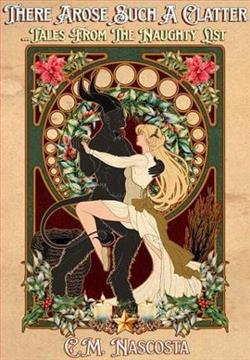
C.M. Nascosta's There Arose Such A Clatter is a daring and provocative anthology that delves into the shadowy realms of fantasy and desire, offering a unique twist on the traditional holiday narrative. This collection of short stories is not for the faint of heart, as it explores the tantalizing and taboo relationship between humans and the mythical figure of Krampus. The anthology is a bold exploration of themes such as punishment, pleasure, and the thin line that often separates the two.
The premise of the book is both intriguing and audacious. Nascosta takes the familiar concept of Santa's Naughty List and turns it on its head, asking the question: what happens when those on the list are not children, but adults who have embraced their naughtiness? The answer is a series of stories that are as imaginative as they are explicit, each one offering a different perspective on the consequences of being "naughty."
One of the most striking aspects of the anthology is its exploration of the theme of punishment versus pleasure. Nascosta skillfully blurs the lines between the two, creating scenarios where punishment becomes a form of pleasure, and vice versa. This duality is embodied in the character of Krampus, who is both a punisher and a giver of dark, unspeakable pleasures. The stories invite readers to question their own perceptions of morality and desire, challenging them to consider the complexities of human nature.
The character development in There Arose Such A Clatter is noteworthy, particularly in the portrayal of Krampus. Traditionally depicted as a fearsome creature, Nascosta's Krampus is a more nuanced character, one who is capable of eliciting both fear and fascination. His interactions with the "naughty" characters are charged with tension and anticipation, creating a dynamic that is both thrilling and unsettling. The human characters, too, are well-developed, each one bringing their own unique perspective to the stories. They are not mere victims of Krampus's whims, but active participants in their own narratives, exploring their desires and boundaries in ways that are both empowering and provocative.
The anthology's impact lies in its ability to provoke thought and discussion. By presenting stories that are both erotic and unsettling, Nascosta encourages readers to confront their own taboos and preconceptions. The stories are unapologetically explicit, yet they are also deeply psychological, exploring the motivations and desires that drive human behavior. This combination of eroticism and introspection makes for a reading experience that is both stimulating and thought-provoking.
In comparison to other works in the genre, There Arose Such A Clatter stands out for its boldness and originality. While there are other stories that explore the theme of human/monster relations, few do so with the same level of intensity and creativity as Nascosta. The anthology's willingness to push boundaries and challenge conventions sets it apart from more conventional erotic fiction, making it a must-read for those who are looking for something truly different.
However, it is important to note that this anthology is not for everyone. The explicit content and themes of punishment and pleasure may be off-putting to some readers, and those who are uncomfortable with such material should approach with caution. That said, for those who are open to exploring the darker side of desire, There Arose Such A Clatter offers a unique and unforgettable reading experience.
In conclusion, C.M. Nascosta's There Arose Such A Clatter is a bold and provocative anthology that challenges readers to explore the complexities of desire and morality. With its imaginative storytelling, well-developed characters, and thought-provoking themes, it is a standout work in the genre of erotic fiction. Whether you are a fan of fantasy, erotica, or simply looking for something different, this anthology is sure to leave a lasting impression.



