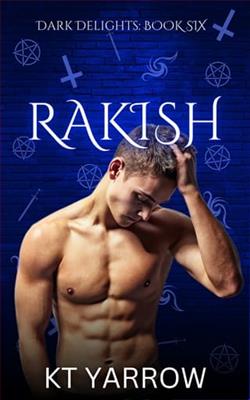
K.T. Yarrow's Rakish is a compelling narrative that deftly intertwines themes of morality, identity, and redemption within a richly constructed fantasy world. The novel follows Julian Heroux, a disillusioned paladin, and Valac, a supernatural being with a mission, as they navigate a landscape fraught with danger and intrigue. Yarrow's storytelling is both engaging and thought-provoking, offering readers a fresh take on the classic hero's journey.
At the heart of Rakish is the theme of personal integrity versus institutional corruption. Julian Heroux's decision to leave the guild—a once-noble institution now mired in tyranny—serves as a powerful commentary on the struggle between individual morality and systemic decay. Julian's journey is one of self-discovery and defiance, as he seeks to uphold his values in the face of overwhelming opposition. This internal conflict is skillfully portrayed, making Julian a relatable and inspiring protagonist.
Valac's character adds an intriguing layer to the narrative. As a being who has not interacted with the mortal world for centuries, his perspective is both alien and enlightening. His mission to find a replacement for Lilith and his unexpected bond with Julian create a dynamic interplay between duty and desire. Valac's fascination with Julian's unwavering moral compass highlights the novel's exploration of what it means to be truly human. This relationship is central to the story, providing both tension and emotional depth.
Yarrow's character development is particularly noteworthy. Julian's evolution from a disillusioned paladin to a determined rebel is portrayed with nuance and authenticity. His interactions with Valac reveal layers of vulnerability and strength, making him a multifaceted character. Similarly, Valac's transformation from a detached observer to an active participant in the mortal realm is handled with subtlety and care. The chemistry between Julian and Valac is palpable, driving the narrative forward and keeping readers invested in their journey.
The novel's world-building is another standout feature. Yarrow crafts a vivid and immersive setting that enhances the story's themes and character arcs. The guild, once a bastion of justice, is depicted as a complex organization with its own internal politics and power struggles. This backdrop serves as a mirror to real-world institutions, inviting readers to reflect on the nature of authority and the potential for corruption. The supernatural elements, including Valac's otherworldly origins, are seamlessly integrated into the narrative, adding depth and intrigue to the story.
In terms of pacing, Rakish strikes a balance between action and introspection. The plot unfolds at a steady pace, with moments of tension and suspense interspersed with quieter, character-driven scenes. This rhythm allows readers to fully engage with the story's emotional and thematic layers, creating a satisfying and immersive reading experience.
Comparatively, Rakish shares thematic similarities with works like Patrick Rothfuss's The Name of the Wind and Brandon Sanderson's Mistborn series. Like Rothfuss, Yarrow delves into the complexities of heroism and the burdens of expectation, while Sanderson's influence can be seen in the novel's intricate world-building and moral dilemmas. However, Yarrow's unique voice and character-driven narrative set Rakish apart, offering a fresh perspective on familiar themes.
Overall, Rakish is a captivating and thought-provoking read that will appeal to fans of fantasy and character-driven stories. K.T. Yarrow has crafted a novel that not only entertains but also challenges readers to reflect on the nature of integrity, loyalty, and the courage to stand against injustice. With its richly drawn characters, immersive world, and resonant themes, Rakish is a testament to the power of storytelling and the enduring appeal of the hero's journey.



