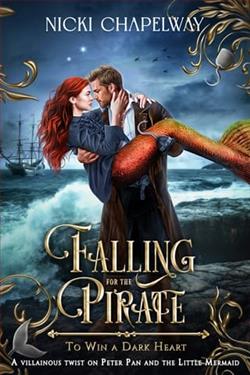
Nicki Chapelway’s Falling For the Pirate is a captivating addition to the realm of fairytale retellings, blending the enchanting worlds of The Little Mermaid and Peter Pan with a fresh, villain-centric twist. As the fifth installment in the To Win a Dark Heart series, this novel stands out for its imaginative narrative and complex character dynamics, offering readers a unique portal fantasy experience that is both thrilling and thought-provoking.
At the heart of the story is Vera, a screenwriter who finds herself literally immersed in her own script. This meta-fictional premise sets the stage for a fascinating exploration of the relationship between creator and creation. Vera’s journey from the real world into the fantastical realm she penned is not just a physical transition but an emotional and psychological one as well. Her transformation into Moira, the vengeful siren, forces her to confront the consequences of her storytelling choices, a theme that resonates deeply with anyone who has ever crafted a narrative.
The character development in Falling For the Pirate is particularly noteworthy. Vera/Moira is a compelling protagonist whose internal struggles are as engaging as the external conflicts she faces. Her initial frustration with her producer, James, and her predicament evolves into a nuanced understanding of her own role in the story’s unfolding drama. The interplay between Vera and James, who assumes the role of Captain Hook, is rich with tension and chemistry. Their relationship is a testament to Chapelway’s skill in crafting characters who are both flawed and relatable.
James, as Captain Hook, is a standout character in his own right. His transformation from a modern-day producer to a notorious pirate is handled with wit and depth. The dynamic between him and Vera is further complicated by the presence of the story’s other characters, particularly the childlike yet menacing force that serves as his nemesis. This interplay adds layers to the narrative, making it more than just a simple love story. Instead, it becomes a tale of redemption, understanding, and the power of narrative itself.
Chapelway’s ability to weave together elements from two beloved fairytales is impressive. The blending of The Little Mermaid and Peter Pan creates a rich tapestry of myth and magic, where sirens and pirates coexist in a world that feels both familiar and refreshingly new. The author’s use of a portal fantasy framework allows for a seamless integration of these disparate elements, resulting in a cohesive and engaging story that keeps readers on the edge of their seats.
The themes of Falling For the Pirate are both timeless and timely. The exploration of villainy and redemption is a central motif, challenging readers to reconsider the traditional roles of heroes and villains. By giving the villain a chance at a happy ending, Chapelway invites readers to empathize with characters who are often marginalized in classic narratives. This approach not only subverts expectations but also enriches the story, providing a fresh perspective on well-known tales.
Moreover, the novel delves into the creative process and the responsibilities of a storyteller. Vera’s journey is as much about navigating her own emotions and relationships as it is about surviving the fantastical world she created. Her realization that she should have been kinder to her characters is a poignant reminder of the impact stories can have, both on their creators and their audiences.
In comparison to other fairytale retellings, such as Marissa Meyer’s Lunar Chronicles or Gregory Maguire’s Wicked, Chapelway’s work stands out for its focus on the villains’ narratives. While Meyer and Maguire also explore the darker sides of fairytales, Falling For the Pirate offers a unique blend of romance, adventure, and introspection that sets it apart. The novel’s emphasis on the creative process and its consequences adds an additional layer of depth, making it a standout in the genre.
Overall, Falling For the Pirate is a masterful retelling that combines elements of romance, fantasy, and introspection to create a story that is both entertaining and meaningful. Nicki Chapelway has crafted a narrative that not only captivates with its imaginative world-building and dynamic characters but also challenges readers to reconsider the nature of storytelling itself. For fans of fairytale retellings and those looking for a fresh take on classic tales, this novel is a must-read.



