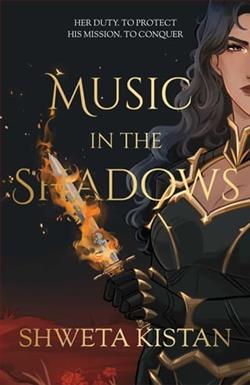
Shweta Kistan's Music in the Shadows is a captivating blend of dark fairy-tale retelling and romantic fantasy, or "romantasy," that draws inspiration from the likes of The Pied Piper, The Cruel Prince, and Throne of Glass. This novel weaves a rich tapestry of intrigue, romance, and self-discovery, set against a backdrop of a world where magical creatures are believed to be extinct. Kistan's narrative is a compelling exploration of identity, duty, and the complexities of love, making it a must-read for fans of the genre.
At the heart of the story is Morana, an arena warrior whose life takes an unexpected turn when she is coerced into becoming the bodyguard of Prince Adrion, the cunning and egotistical heir to the throne of Apollo. Morana is a character of depth and complexity, her internal struggle between duty and desire serving as a driving force throughout the novel. Her initial reluctance to protect a prince she finds insufferable is palpable, yet as the narrative unfolds, Kistan masterfully develops Morana's character, revealing layers of vulnerability and strength that make her both relatable and admirable.
Prince Adrion, on the other hand, is a character who initially appears to be a typical arrogant royal. However, as the story progresses, Kistan peels back the layers of his persona, revealing a man who is more than his title and reputation suggest. The dynamic between Morana and Adrion is electric, their relationship evolving from one of mutual disdain to a reluctant alliance, and ultimately, a deep, complicated bond. This transformation is handled with nuance and care, making their romance both believable and engaging.
The world-building in Music in the Shadows is another of its standout features. Kistan crafts a vivid and immersive setting, where the remnants of magic linger in the shadows, and danger lurks at every turn. The threats against Prince Adrion—from vampire spies to necromancers—are not only thrilling but also serve to heighten the stakes, pushing Morana to confront her own suppressed powers. Her ability to manipulate shadows through her violin is a unique and intriguing aspect of the story, adding a layer of mystique and wonder to the narrative.
One of the most compelling themes in the novel is the exploration of identity and self-acceptance. Morana's journey is not just about protecting the prince but also about coming to terms with her true nature. As the last of her kind, she is caught between the world she knows and the one she is destined to belong to. Kistan handles this theme with sensitivity and insight, making Morana's internal conflict both poignant and relatable. The question of whether Prince Adrion will see her as the warrior who saved his life or the monster he was raised to destroy adds an additional layer of tension and drama to the story.
In comparison to other works in the genre, Music in the Shadows stands out for its intricate character development and the depth of its themes. While it shares similarities with The Cruel Prince and Throne of Glass in terms of its dark and enchanting atmosphere, Kistan's novel offers a fresh perspective on the fairy-tale retelling genre. The use of music as a conduit for magic is a particularly innovative element, setting it apart from other stories that rely on more traditional magical systems.
Overall, Music in the Shadows is a beautifully crafted tale that will resonate with readers who appreciate a blend of romance, fantasy, and introspective storytelling. Kistan's ability to weave together elements of suspense, romance, and self-discovery results in a narrative that is both entertaining and thought-provoking. The novel's exploration of themes such as duty, identity, and love is handled with a deft touch, making it a standout addition to the romantasy genre.
For those seeking a story that combines the allure of fairy-tale magic with the complexity of human emotion, Music in the Shadows is a book that should not be missed. Its rich character development, immersive world-building, and compelling themes make it a memorable read that will linger in the minds of its audience long after the final page is turned.



