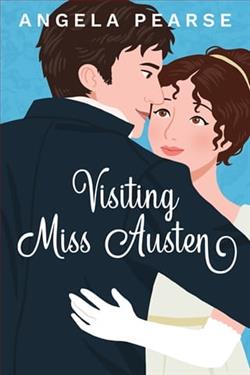
Angela Pearse's Visiting Miss Austen is a delightful foray into the world of Regency-era England, where societal norms and personal desires often clash in the most intriguing ways. This novel, with its charming premise and engaging characters, offers a fresh perspective on the timeless themes of love, reputation, and personal growth, all set against the backdrop of the lively spa town of Bath.
The story centers around Felicity Fitzroy, a character who embodies the complexities of a woman caught between her duties and her desires. Felicity, who is living a seemingly content life in Derbyshire, is invigorated by the prospect of visiting her friend Jane Austen in Bath. This setting is not just a mere backdrop but a character in itself, with its bustling social scene and the promise of adventure. Pearse skillfully uses Bath as a catalyst for Felicity's internal and external conflicts, making it a pivotal element in the narrative.
Felicity's character is well-developed, showcasing a blend of wit, intelligence, and vulnerability. Her journey is one of self-discovery, as she navigates the challenges of protecting her niece's reputation while grappling with her own temptations. The introduction of her niece adds a layer of complexity to the plot, as Felicity is thrust into the role of a chaperone, a position that tests her patience and resolve. This dynamic between the two women highlights the generational differences and societal expectations of the time, offering readers a glimpse into the pressures faced by women in Regency England.
The character of Dorian Hart serves as a compelling foil to Felicity. His charm and rakish demeanor are reminiscent of the classic romantic hero, yet Pearse imbues him with enough depth to make him more than just a one-dimensional suitor. Dorian's interactions with Felicity are charged with tension and chemistry, creating a captivating push-and-pull dynamic that keeps readers engaged. His pursuit of Felicity, rather than her niece, adds an unexpected twist to the narrative, challenging Felicity's moral compass and forcing her to confront her own desires.
One of the novel's strengths lies in its exploration of the theme of temptation versus duty. Felicity's internal struggle is portrayed with nuance, as she weighs her loyalty to her husband against the allure of Dorian's attentions. This conflict is not just a personal one but also reflects the broader societal expectations placed on women during this period. Pearse deftly captures the tension between personal fulfillment and societal obligations, making Felicity's journey relatable to modern readers who may face similar dilemmas in different contexts.
Moreover, Pearse's writing is imbued with a sense of humor and wit that pays homage to Jane Austen's own style. The dialogue is sharp and engaging, capturing the nuances of Regency-era speech while remaining accessible to contemporary audiences. This balance between historical authenticity and modern readability is one of the novel's key achievements, allowing readers to immerse themselves in the world of the story without feeling alienated by archaic language.
In comparison to other works in the genre, such as Julia Quinn's Bridgerton series or Georgette Heyer's novels, Visiting Miss Austen stands out for its focus on character development and thematic depth. While Quinn and Heyer often emphasize romance and social intrigue, Pearse delves deeper into the psychological and emotional landscapes of her characters, offering a more introspective take on the Regency romance. This approach may appeal to readers who appreciate character-driven narratives and are looking for more than just a romantic escapade.
Overall, Visiting Miss Austen is a captivating read that combines the charm of a Regency romance with the depth of a character study. Angela Pearse has crafted a story that is both entertaining and thought-provoking, inviting readers to reflect on the timeless themes of love, duty, and self-discovery. Felicity Fitzroy's journey is one that resonates beyond the confines of the Regency era, offering insights into the human condition that are as relevant today as they were in Austen's time.
For those who enjoy historical fiction with a strong female protagonist and a touch of romance, Visiting Miss Austen is a must-read. It is a testament to Pearse's skill as a storyteller that she can weave together humor, drama, and romance into a cohesive and compelling narrative. This novel is sure to delight fans of Jane Austen and newcomers to the genre alike, offering a fresh take on the beloved world of Regency England.



