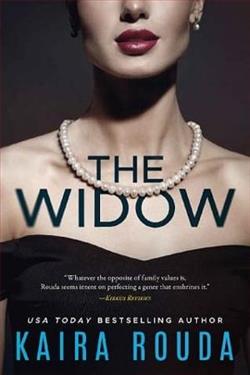
Kaira Rouda’s The Widow is a gripping exploration of ambition, power, and the lengths one might go to preserve a carefully constructed life. Set against the backdrop of political intrigue, this novel delves deep into the dynamics of a marriage built on mutual benefit rather than love, and the consequences when that foundation begins to crumble.
The story centers around Jody Asher, a woman who has dedicated her life to supporting her husband Martin's political career. For fifteen congressional terms, they have been the epitome of a power couple, with Jody playing the role of the perfect political spouse. However, the facade begins to crack when Martin's affair with a young staffer threatens to become public knowledge. What makes Jody a compelling character is her pragmatic approach to the situation. Unlike many traditional portrayals of scorned wives, Jody is not emotionally devastated by Martin's infidelity; instead, she views it as a professional liability that could tarnish their legacy.
Rouda crafts Jody as a character of complexity and depth. Her motivations are not driven by love or revenge but by a relentless pursuit of power and control. This makes her both fascinating and, at times, unsettling. Her reaction to Martin's sudden death is not one of grief but of opportunity. With Martin gone, Jody sees a chance to reshape the narrative and secure her own place in the political arena. This shift in power dynamics is one of the novel's most intriguing aspects, as it challenges traditional gender roles and expectations within a marriage.
The theme of ambition is central to the novel. Jody's character embodies the idea that ambition knows no bounds, and Rouda does not shy away from exploring the darker sides of this trait. Jody's willingness to do whatever it takes to maintain her status and power, even if it means harboring her own secrets, raises questions about the moral compromises one might make in the pursuit of success. This theme is further amplified by the political setting, where ambition often overshadows ethics.
Rouda's writing style is engaging and fast-paced, keeping readers on the edge of their seats as the plot unfolds. The narrative is driven by suspense, with each chapter revealing new layers of deception and intrigue. The presence of a persistent reporter adds an element of tension, as Jody must navigate the threat of exposure while maintaining her public persona. This cat-and-mouse dynamic between Jody and the reporter is reminiscent of classic political thrillers, adding a layer of excitement to the story.
In terms of character development, Rouda excels in portraying Jody's transformation from a supportive wife to a formidable political player. Her evolution is both believable and compelling, as she sheds the constraints of her previous role and embraces her newfound power. Martin, though deceased for much of the novel, is also a well-developed character through flashbacks and Jody's reflections. His charisma and flaws are depicted with nuance, making his presence felt even in his absence.
Comparatively, The Widow shares thematic similarities with novels like The Wife by Alafair Burke and The Good Wife by Jane Porter, where the focus is on women navigating the complexities of marriage and ambition in the face of betrayal. However, Rouda's novel stands out for its unapologetic portrayal of a woman who is not afraid to seize power for herself, challenging the traditional narrative of victimhood.
Overall, The Widow is a thought-provoking and entertaining read that offers a fresh perspective on the intersection of marriage and politics. Rouda's ability to weave a tale of suspense with rich character development makes this novel a standout in the genre. It is a story that will resonate with readers who appreciate strong, complex female protagonists and are intrigued by the machinations of political life.
In conclusion, Kaira Rouda has crafted a novel that is both a page-turner and a commentary on the nature of ambition and power. The Widow is a testament to Rouda's skill as a storyteller, and it is sure to captivate readers who are drawn to stories of intrigue, deception, and the relentless pursuit of success.



