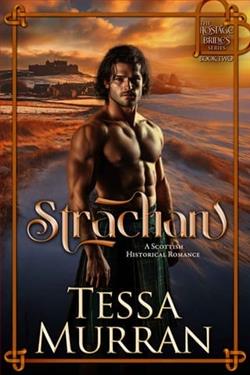
Tessa Murran's Strachan is a compelling dive into the world of Scottish romance, where the rugged landscapes of the Highlands serve as the backdrop for a tale of power, passion, and peril. The novel's blurb sets the stage for a story that is as much about the internal struggles of its characters as it is about the external conflicts that threaten their world. At its core, Strachan is a narrative about the dichotomy of freedom and captivity, both literal and metaphorical, and how these forces shape the destinies of its protagonists.
The protagonist, Peyton Strachan, is a character who embodies the classic traits of a Highland hero—strong, determined, and fiercely loyal to his clan. Yet, Murran does not allow Peyton to become a mere archetype. Instead, she imbues him with a depth that makes his journey both relatable and compelling. Peyton's ascension to the role of laird is fraught with challenges, not least of which is the skepticism of his own clansmen. This internal conflict within the clan adds a layer of tension that permeates the narrative, as Peyton grapples with the expectations placed upon him and the personal desires he must suppress.
In contrast, Cecily MacCreadie is introduced as a character who is initially difficult to sympathize with. Her spoiled and defiant nature is a deliberate choice by Murran, setting up a character arc that is as transformative as it is engaging. Cecily's journey from a sheltered lass with dreams of elopement to a woman who must navigate the harsh realities of her new life is one of the novel's most compelling elements. Her interactions with Peyton are charged with a tension that is both romantic and antagonistic, creating a dynamic that keeps readers invested in their evolving relationship.
The theme of captivity is central to Strachan, explored through both physical and emotional lenses. Peyton's role as Cecily's captor is complicated by his own sense of honor and duty, creating a moral quandary that adds depth to his character. Similarly, Cecily's captivity is not just a physical state but a catalyst for her personal growth. Murran skillfully uses this theme to explore broader questions of autonomy and power, making the novel resonate on a level that extends beyond its romantic plot.
One of the strengths of Murran's writing is her ability to create a vivid sense of place. The Scottish Highlands are more than just a setting; they are an integral part of the story, reflecting the wildness and unpredictability of the characters' lives. The moors, the stronghold, and the ever-present threat of rival clans create an atmosphere that is both beautiful and dangerous, mirroring the tumultuous emotions of the protagonists.
In terms of character development, Murran excels at creating multi-dimensional characters whose motivations are complex and believable. Peyton's struggle with his darker impulses is particularly well-handled, as Murran avoids the trap of turning him into a one-dimensional hero. Instead, she presents a man who is constantly at war with himself, torn between his desires and his responsibilities. Cecily, too, is given room to grow, her initial brattiness giving way to a resilience that makes her a worthy match for Peyton.
Comparatively, Strachan shares thematic similarities with other works in the genre, such as Diana Gabaldon's Outlander series, where the clash of personal desires and societal expectations is a recurring motif. However, Murran's focus on the internal politics of the clan and the personal growth of her characters sets her work apart, offering a fresh perspective on the well-trodden path of Highland romance.
The novel's pacing is well-judged, with Murran balancing moments of high tension with quieter, introspective scenes that allow for character development. The dialogue is sharp and often laced with wit, providing a counterpoint to the more dramatic elements of the plot. Murran's prose is both evocative and accessible, drawing readers into the world she has created with ease.
Overall, Strachan is a richly woven tale that will appeal to fans of historical romance and those who enjoy stories of personal transformation set against a backdrop of political intrigue. Murran's ability to create characters who are both flawed and sympathetic is a testament to her skill as a storyteller, and her exploration of themes such as power, freedom, and desire adds depth to a genre that often prioritizes plot over substance.
For readers seeking a romance that is as thought-provoking as it is passionate, Strachan offers a satisfying and immersive experience. Tessa Murran has crafted a novel that not only entertains but also invites reflection on the complexities of human relationships and the choices that define us.



