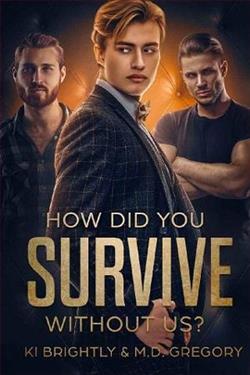
Ki Brightly's How Did You Survive Without Us? is a compelling blend of academic intrigue and the gritty underworld of organized crime, offering readers a unique perspective on the often-romanticized world of mobsters. At its core, the novel explores the intersection of academia and crime, wrapped in a narrative that is both thrilling and thought-provoking.
The protagonist, Dr. Vail Mifflin, is a character that many readers will find both endearing and frustrating. As a professor who is deeply engrossed in the history of organized crime, Vail is portrayed as someone who is charmingly oblivious to the real-world implications of his research. His passion for teaching and writing about mobsters is palpable, and Brightly does an excellent job of illustrating how Vail's academic pursuits are more than just a career—they are his life's work. However, this same passion blinds him to the dangers lurking in the shadows, a theme that resonates throughout the book.
Vail's character is further complicated by his struggle with ADHD, a detail that Brightly weaves into the narrative with sensitivity and authenticity. This aspect of his character adds depth and realism, making him relatable to readers who may share similar experiences. His ADHD is not just a character trait; it is a driving force in the story, influencing his decisions and interactions with the world around him. This portrayal is a refreshing departure from the often one-dimensional characters found in similar genres.
The introduction of the Irish Mob killers—Rowen, Cillian, Aspen, and Fallon—adds a dynamic layer to the story. These characters, who initially appear as stereotypical mobsters, are gradually revealed to be more complex. Their unexpected act of saving Vail from an Italian mafioso sets off a chain of events that entangles them in Vail's life. Brightly skillfully develops these characters, allowing readers to see beyond their criminal facades and understand their motivations and loyalties. This nuanced portrayal challenges the traditional black-and-white depiction of mobsters, offering a more humanized view of individuals who operate in the shadows.
The theme of danger lurking in unexpected places is a constant undercurrent in the novel. As Vail becomes more entangled with the mob, the lines between his academic pursuits and the real world blur. The tension between his desire to document the truth and the mob's need for secrecy creates a gripping narrative that keeps readers on edge. Brightly's ability to maintain this tension while exploring deeper themes of loyalty, morality, and the consequences of one's actions is commendable.
One of the most intriguing aspects of the novel is its exploration of the concept of truth. Vail's quest to write an up-to-date account of the mob's activities is not just a professional endeavor; it is a personal journey to uncover the truth. However, as the story unfolds, it becomes clear that truth is a double-edged sword. The very knowledge that Vail seeks to uncover puts him in grave danger, forcing him to confront the reality that some truths are best left undiscovered. This theme is reminiscent of works by authors like Mario Puzo, who also delve into the complexities of truth and morality within the world of organized crime.
Brightly's writing style is engaging and accessible, making the novel a page-turner from start to finish. The dialogue is sharp and realistic, capturing the essence of each character and their unique voices. The pacing is well-balanced, with moments of intense action interspersed with quieter, introspective scenes that allow for character development and thematic exploration.
The novel ends on a small cliffhanger, leaving readers eager for the next installment. This narrative choice is both a strength and a potential drawback. While it effectively builds anticipation for the sequel, some readers may find the lack of resolution frustrating. However, the promise of a continuation ensures that Vail's story is far from over, and readers will undoubtedly be eager to see how his journey unfolds.
In comparison to other stories in the genre, How Did You Survive Without Us? stands out for its unique blend of academic intrigue and crime drama. While it shares thematic similarities with works like Dennis Lehane's Mystic River and Elmore Leonard's crime novels, Brightly's focus on the intersection of academia and crime offers a fresh perspective that sets it apart.
Overall, How Did You Survive Without Us? is a captivating read that combines well-developed characters, a gripping plot, and thought-provoking themes. Ki Brightly has crafted a story that not only entertains but also challenges readers to consider the complexities of truth, loyalty, and the consequences of one's actions. For those who enjoy crime dramas with a twist, this novel is a must-read.



